Japan’s Science and Mathematics Education Draws Attention from Around the Globe
Japan’s science and mathematics education is attracting the interest of many countries, not least those of Asia and Africa. At the Japan Fair at the TICAD Business Expo & Conference, a thematic event TICAD 9, held in Yokohama from August 20 to 22, 2025, many of the attendees who visited the EDU-Port booth expressed a desire to learn about Japanese initiatives in science and mathematics education.
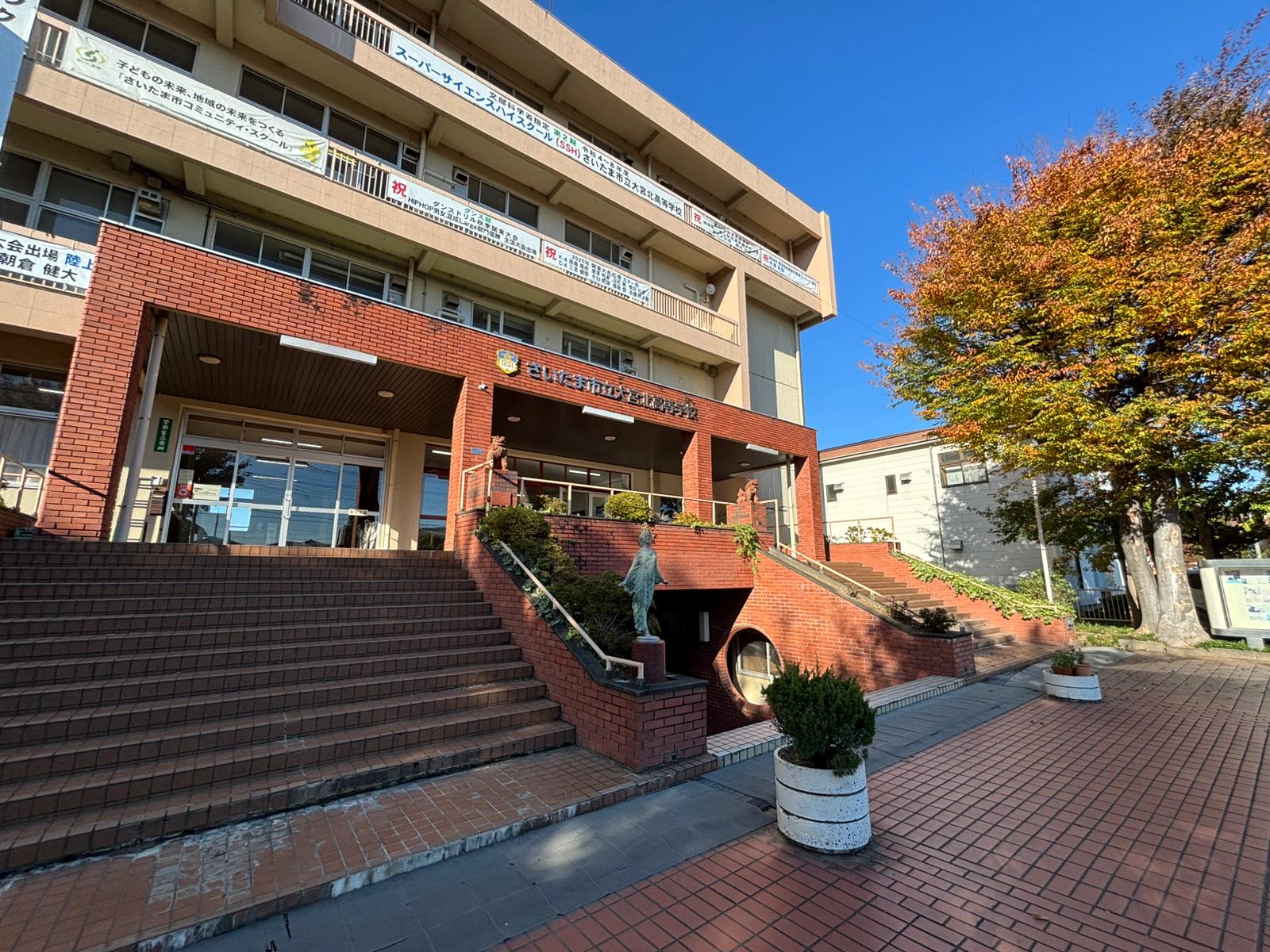
In light of this international attention, here we introduce the initiatives of Saitama Municipal Omiya Kita High School (hereafter, Omiya Kita HS), which has been designated a “Super Science High School (SSH)” by the Ministry of Education, Culture, Sports, Science and Technology and which practices international collaboration at an advanced level. In particular, we will report on the Pacific Rim Online Program (PROP25) which the school is implementing jointly with schools in Asia and the United States, and on its implementation of international collaboration, focusing on the hosting of overseas schools.
SSH: The Driving Force Behind Science and Mathematics Education
SSH is a project designated by the Ministry of Education, Culture, Sports, Science and Technology that was started in 2002, targeting high schools that offer advanced science and mathematics education. Designated schools work in collaboration with universities and research institutions to develop curricula and promote research projects, with the aim of developing future talent in science and technology.
At present some 230 high schools throughout Japan have been designated as SSH, and these schools are undertaking a variety of initiatives, such as the promotion of research activities, etc., in collaboration with other schools in Japan and overseas.
Omiya Kita HS: :A SSH and ASPnet School
In addition to being an SSH, the school is also a member of the ASPnet (the UNESCO Associated Schools Network) and engages enthusiastically in educational activities that incorporate global perspectives. The UNESCO Associated Schools Network (ASPnet) is an international network of schools that promote peace, international understanding, and Education for Sustainable Development (ESD) in accordance with the ideals of the UNESCO Constitution, and it includes more than 10,000 schools from about 180 countries.
Based on the ideals of SSH and the ASPnet, education at Omiya Kita HS focuses on three priorities; the enrichment of science and mathematics education, the fostering of global talent and the promotion of active learning through the use of ICT. The school offers a course titled “STEAMS TIME”, in which students engage in inquiry-based research projects covering a period of three years. Starting in the first year, students learn about Society 5.0* and the use of artificial intelligence (AI). A major feature of the research projects that aim to use technology to solve social issues is that the students pursue their research independently, from defining the problem to selecting the research method and presenting their results.
In addition, Omiya Kita HS offers an enthusiastic welcome to visits from overseas schools. In September 2025 the school received a visit from students and teaching staff of Pasay City National Science High School in the Philippines, a winner of the SEAMEO-Japan ESD Award, and introduced them to STEAMS TIME and a chemistry class in progress.
Pacific Rim Online Program(PROP25):Online Expansion of International Collaboration
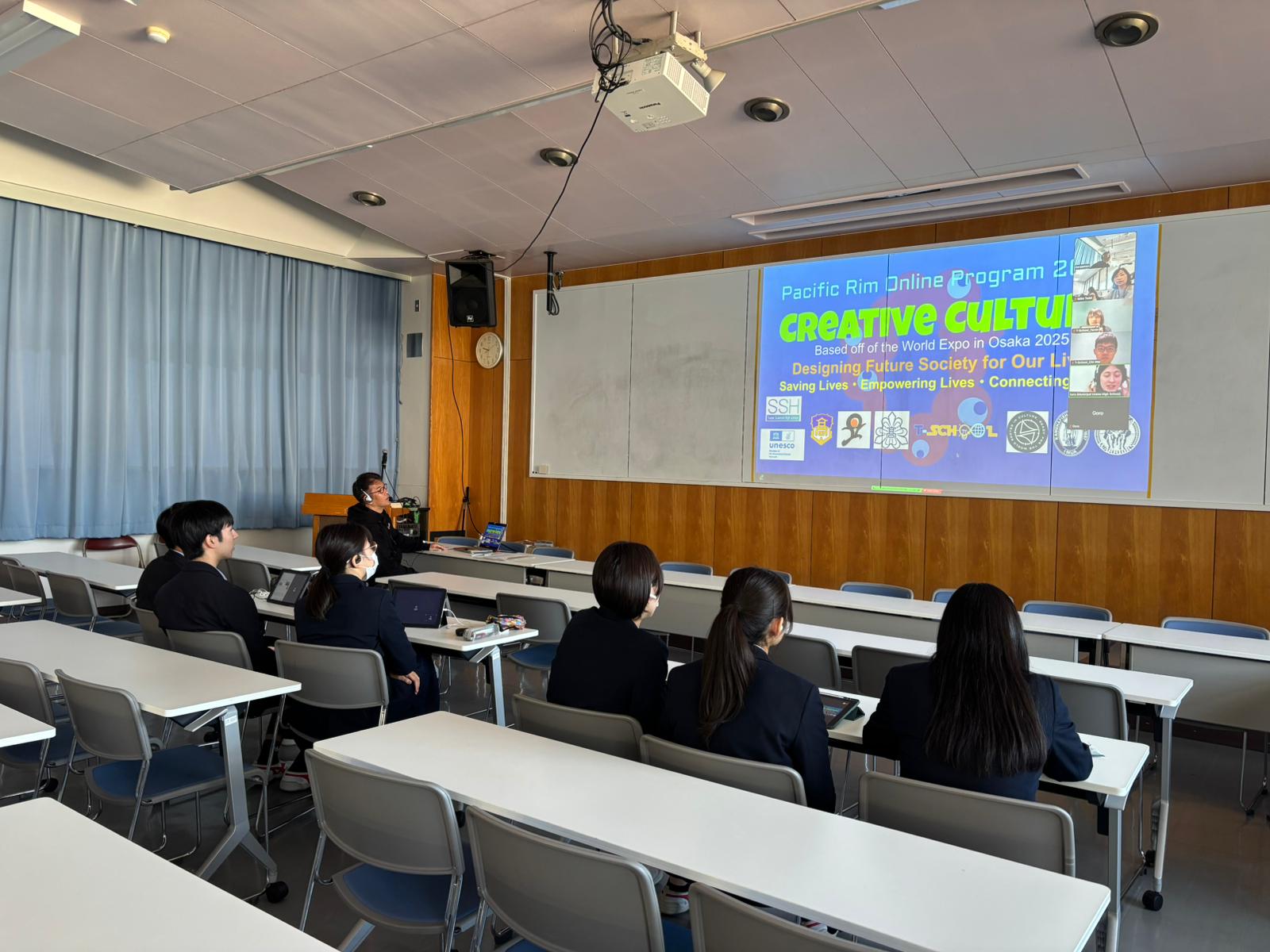
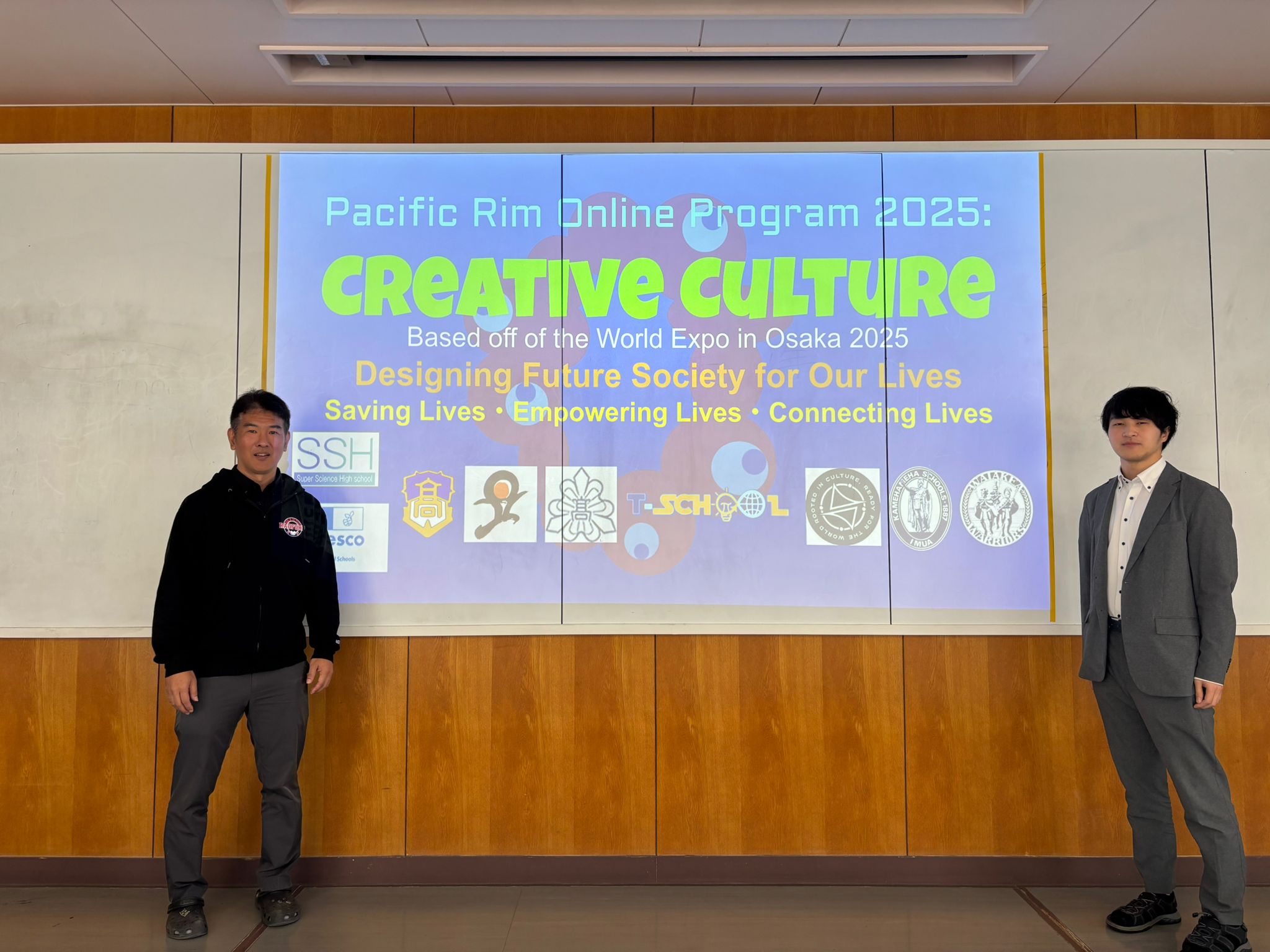
This year marks the fifth year of the international exchange program “Pacific Rim Online Program or PROP,” organized by Omiya Kita HS. This program originally started during the Covid-19 pandemic when face-to-face international exchanges were restricted, as an initiative for online interaction with a high school in Taiwan, through a network of teachers. The scale of the program was later expanded, with the participation of schools in Hawaii and across Japan.
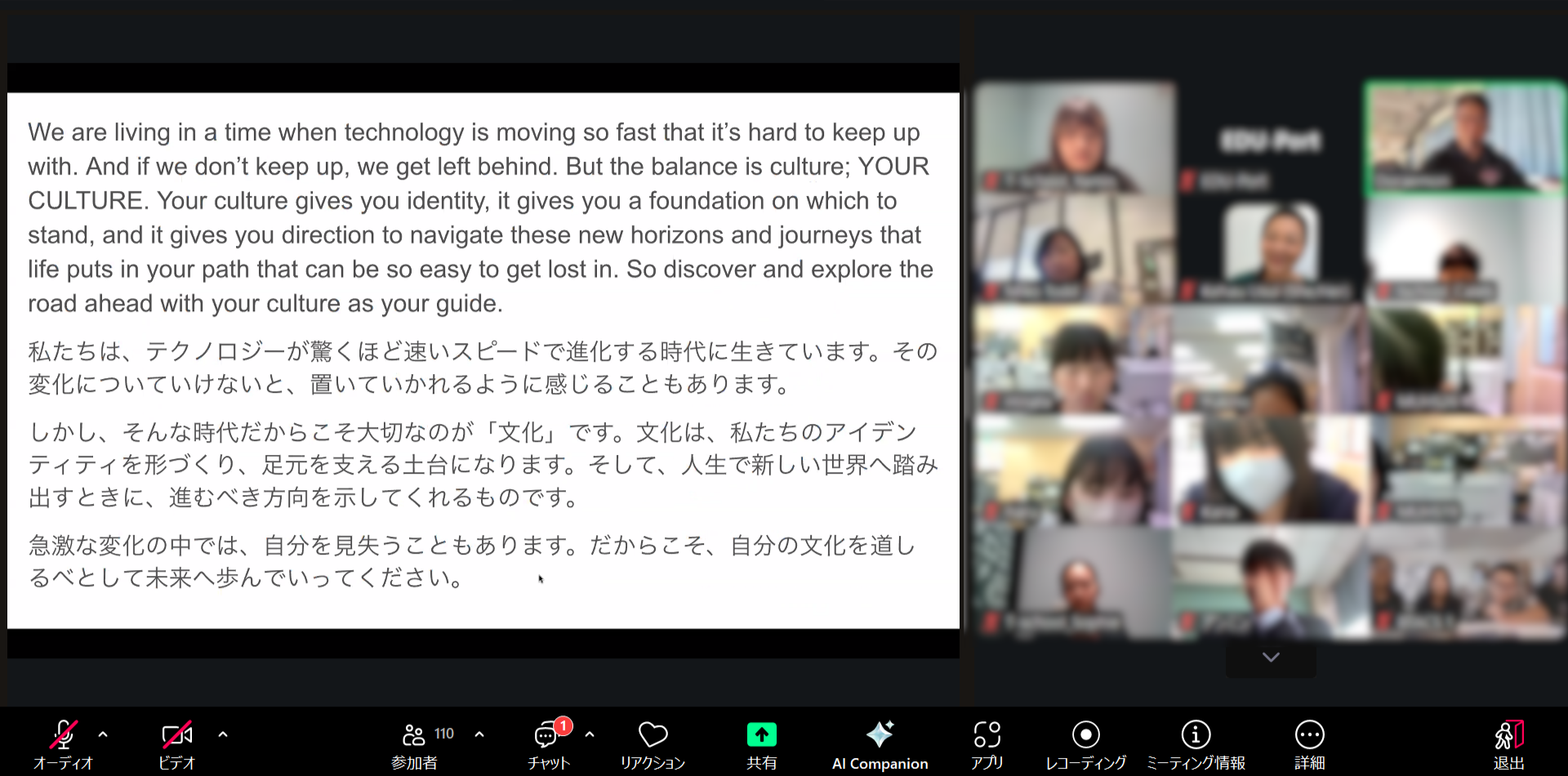
Three schools in Japan and 4 schools overseas (Taiwan, Guam, Hawaii) participated in PROP25 held on November 21, 2025, and over 100 high school students got together online.
▼ Overview of PROP25
-In advance, students set tasks for their own country or region in line with the above subthemes
-In advance, students devise solutions that combine the culture and technologies of their own country
-On the day, using the breakout room function of the online meeting system, students are divided roughly 15 to a room for the presentations and discussions
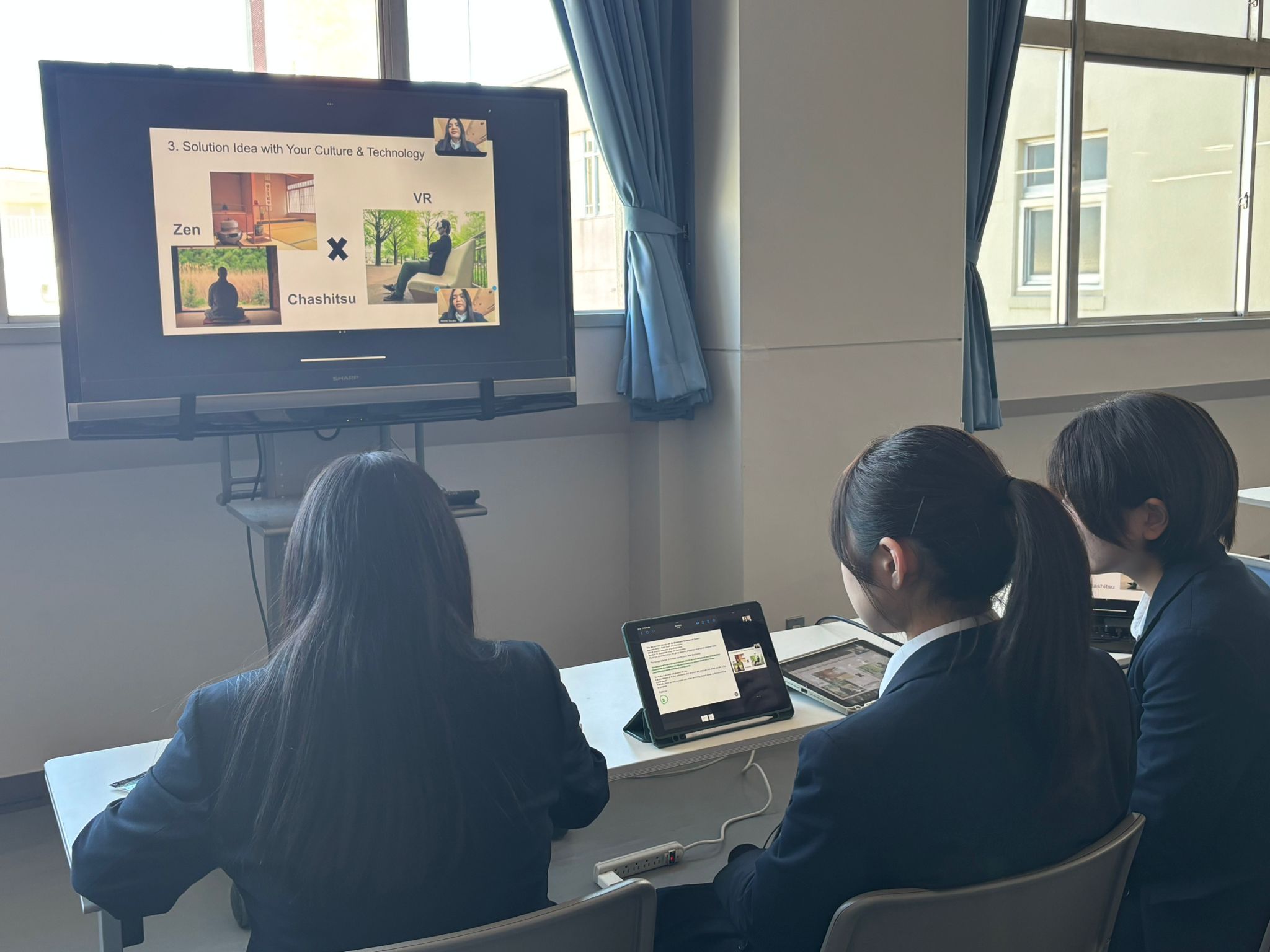
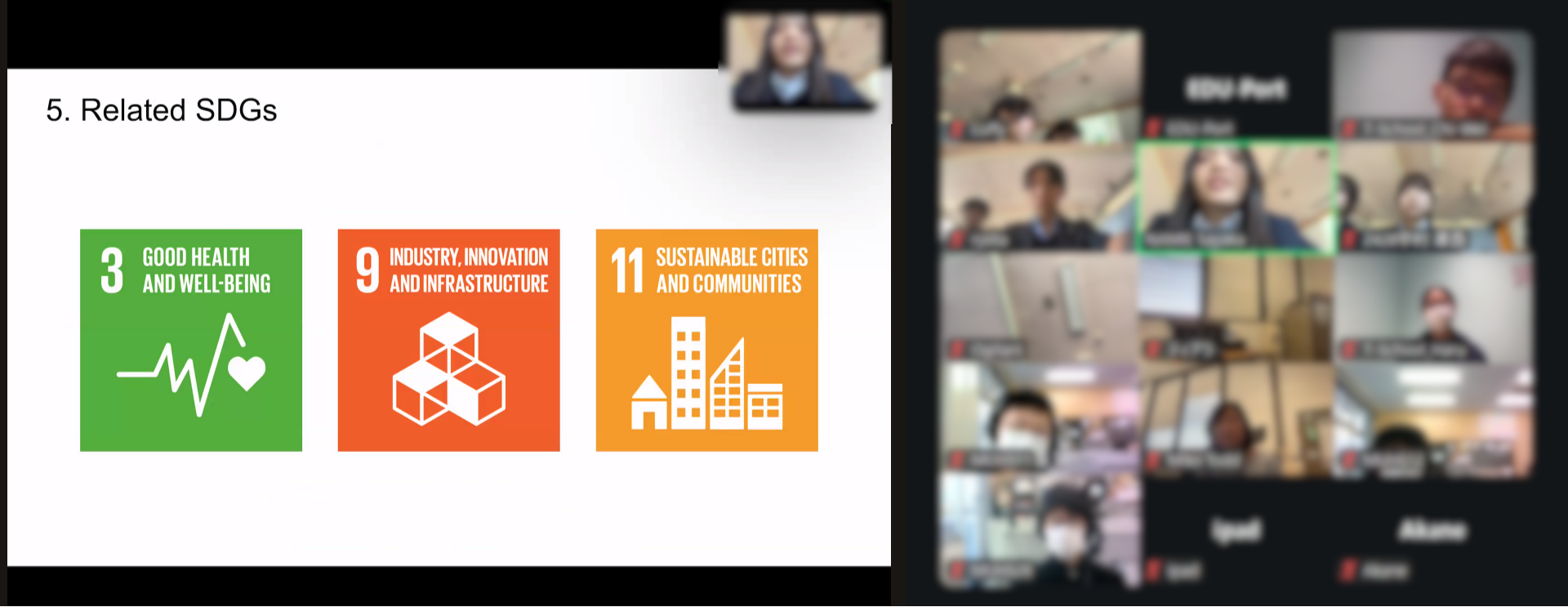
Some participating students remarked that it had been a valuable opportunity for them to take a fresh look at the culture of their own country, which they had previously taken for granted.
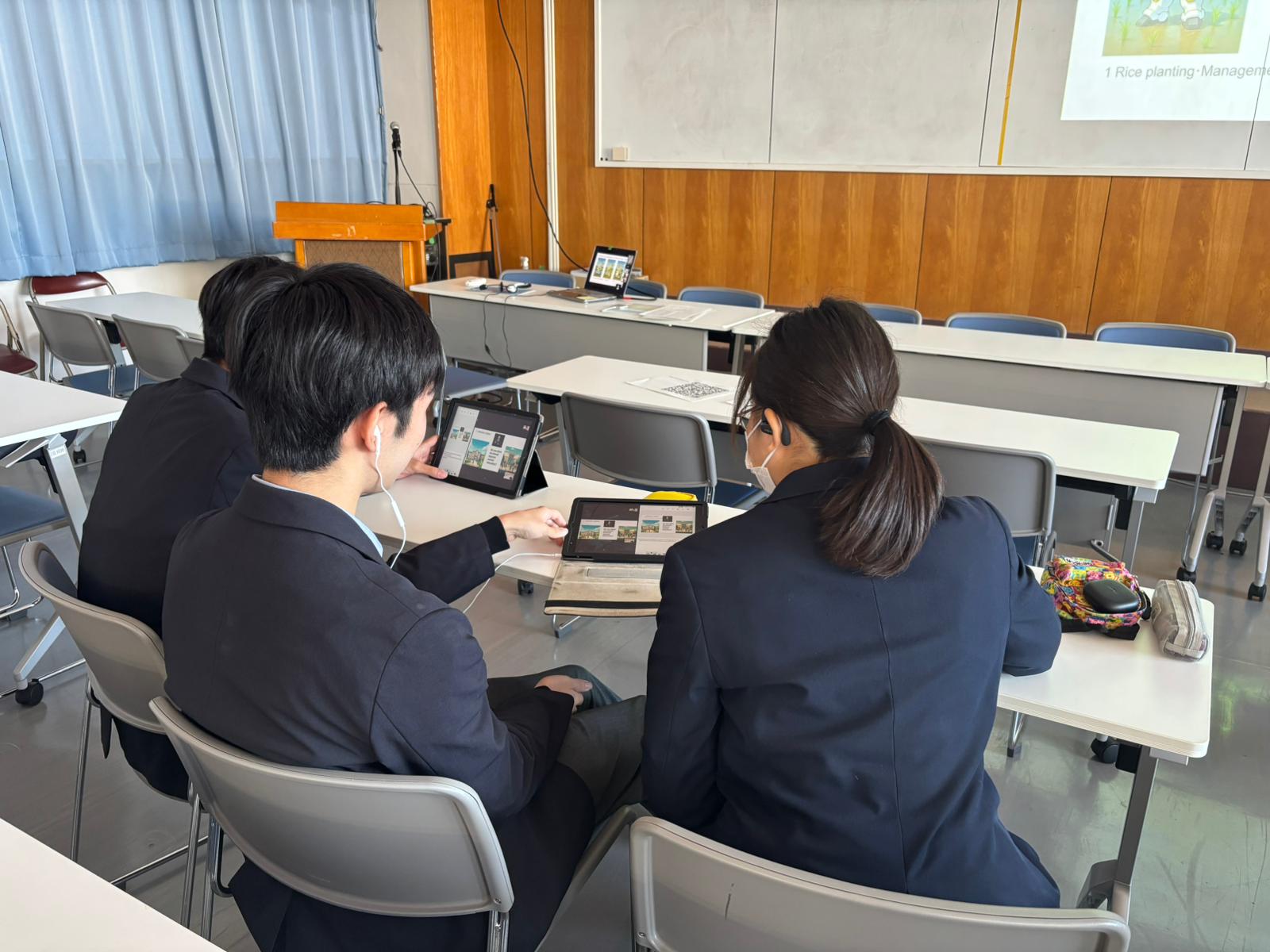
Operating Strategy: Mechanisms to Support Teachers Dealing with Expanding Overseas Collaboration
Moving Forward: Greater Expansion of International Collaboration
In addition to the countries and regions that took part in PROP25, Omiya Kita HS continues to have exchanges with high schools in India and Nepal. The plan is to continue increasing the number of partner schools both in Japan and overseas. Omiya Kita HS also receives many visit requests from overseas. Mr. Kaya, who is in charge of PROP, values two principles: “continuing to say yes to the requests they receive whenever possible,” and “encouraging partner schools to ensure that the interaction becomes a continuing relationship rather than a one-time event.” This proactive attitude on the part of the teachers is the driving force behind the expansion and sustainability of the international collaboration implemented by Omiya Kita HS.
Contact information for Saitama Municipal Omiya Kita High School:
Website: https://www.ohmiyakita-h.ed.jp/english/
SSH Promotion Department/International Exchange Committee:okhs-ssh-gp@oks.city-saitama.ed.jp
*Society 5.0: A society in which advanced technologies such as AI, Big Data, the Internet of Things (IoT) , robotics etc., become more sophisticated and integrated into every area of industry and social life, suggesting a transformation of society itself so dramatic as to be called “discontinuous.”
cf:https://www.mext.go.jp/b_menu/hakusho/html/hpab201901/detail/1422160.htm