
1. Background and Objectives of the Project
Designated under MEXT’s High School Digital Transformation Acceleration Program (DX High Schools)[TS1.1], Kobe Yamate Global Junior & Senior High School has promoted educational reform by positioning ICT-based personalized learning and English immersion education(*) at the core of its school-wide curriculum management. This project (2025 Supported Project: English Immersion Collaborative Project – International Inquiry-Based Learning Through Mathematics and Programming in English[TS2.1]) was implemented with the aim of validating the school’s accumulated educational practices within the framework of international collaboration, identifying the outcomes and challenges, and assessing the international applicability of Japanese-style education models.
In today’s society where globalization and digitalization are progressing simultaneously, English is required not only as a subject to be studied but also as a common language for mediating learning. In addition, mathematical and programming thinking skills are fundamental literacies that can be shared across national and cultural boundaries. Learning these skills in English is considered effective in simultaneously developing logical thinking, expressive ability, and intercultural understanding.
-
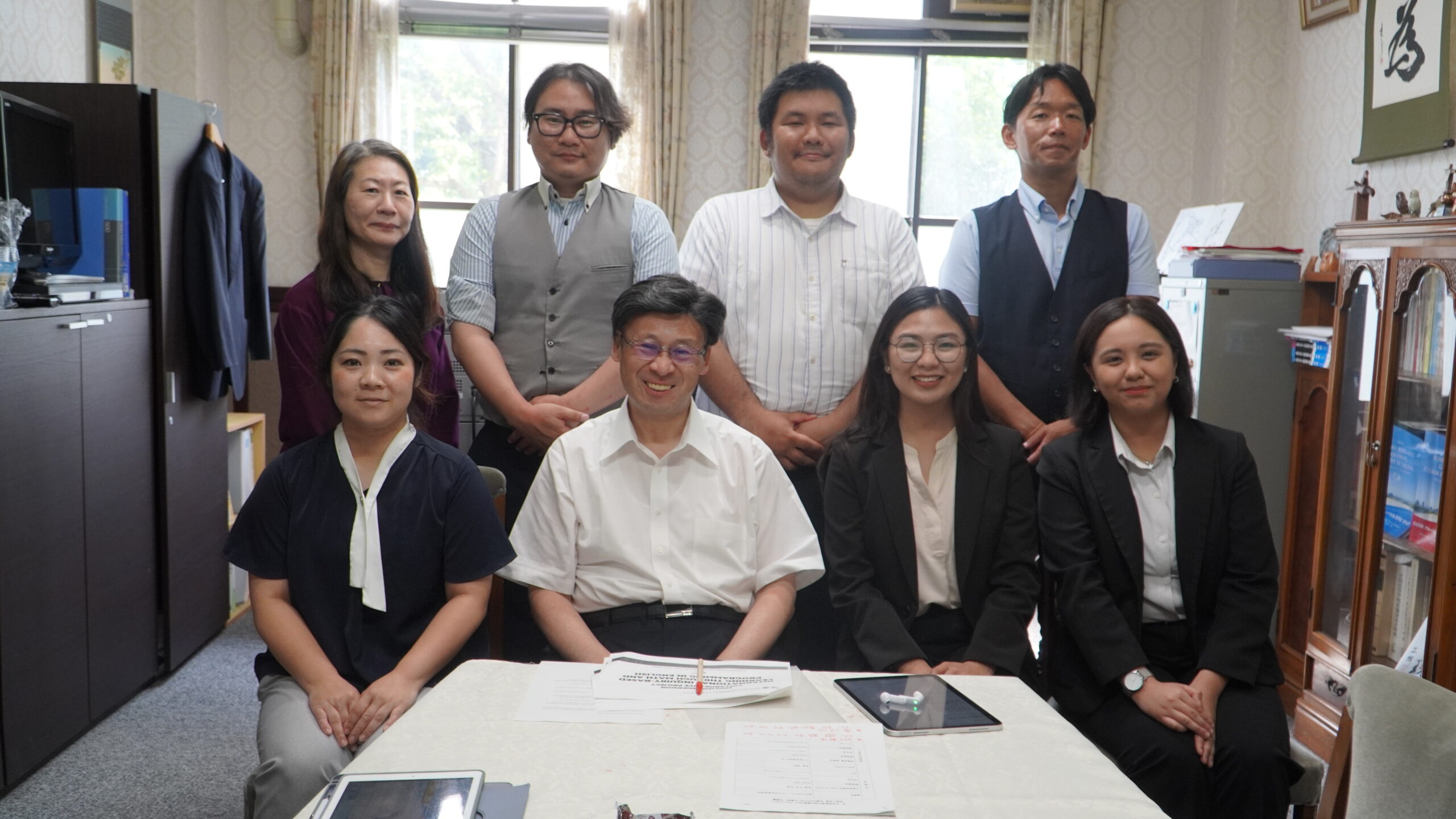 EDU-Port Japan Supported Project Team
*English immersion education is an educational approach in which students who share a native language other than English are taught solely in English.
2.Project Overview and Implementation Structure
The main objectives of this project are: 1) international implementation of English immersion classes, 2) development of an online model for remote international collaboration, 3) cultivation of students’ logical thinking skills, expressive ability, and intercultural understanding, and 4) international dissemination and validation of Japanese-style curricula and teaching methods.
The partner schools were two secondary schools in the Philippines (Metropolitan Manila and Cavite Province) and one secondary school in India (near Bangalore). A total of 21 teachers from the participating schools collaboratively designed the syllabus and held multiple online discussions and training sessions in advance. The Japanese side was responsible for developing teaching materials, managing the quality of the ICT environment and applications, and presenting the framework for lesson design, while the partner countries proposed improvements based on local educational practices. By leveraging the distinctive features of each school’s programming education and identifying common goals and learning processes, lessons were designed to enable students to create and share their work, leading to a final presentation.
-
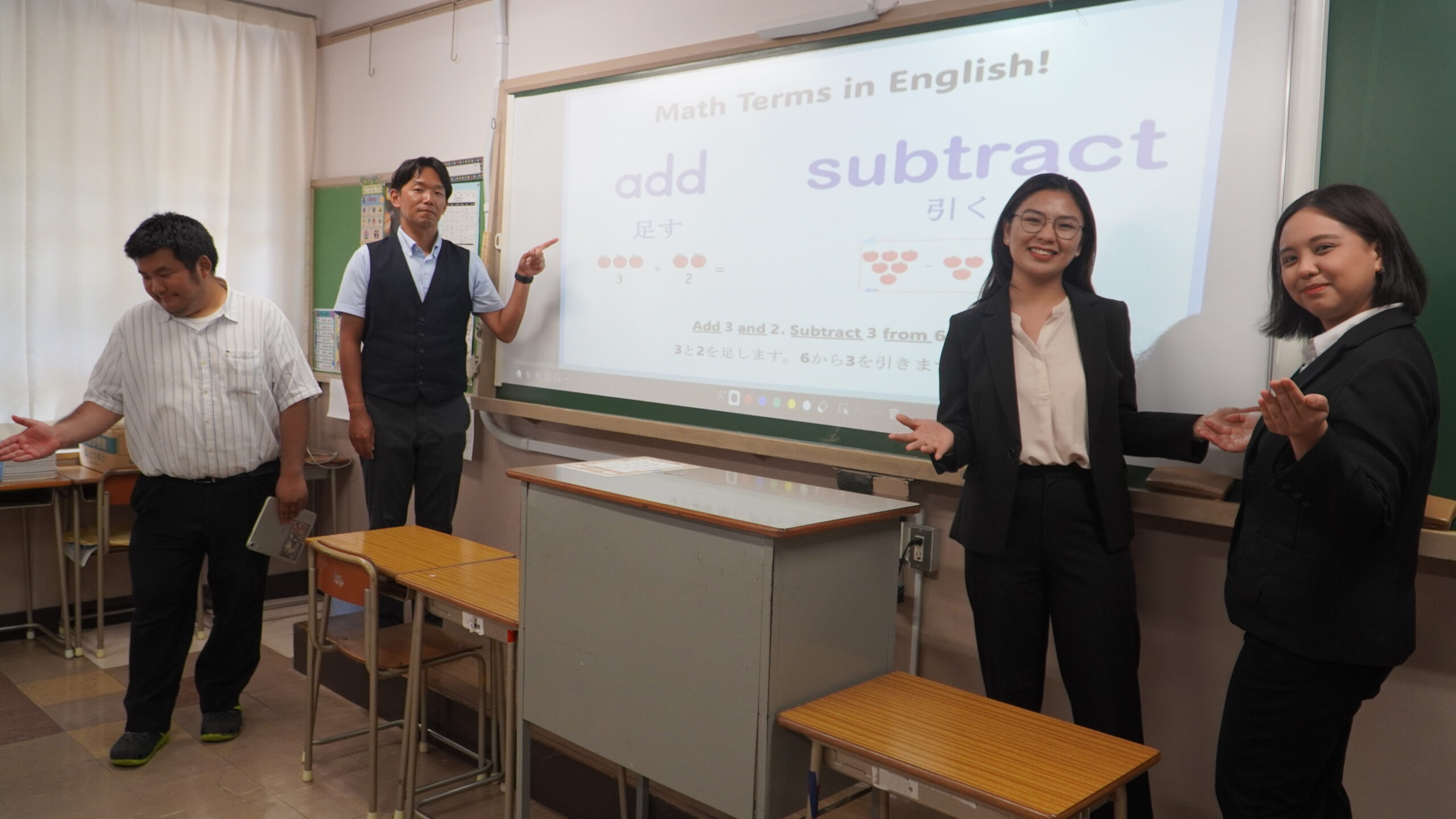 English×Mathematics Project Team Members
 -
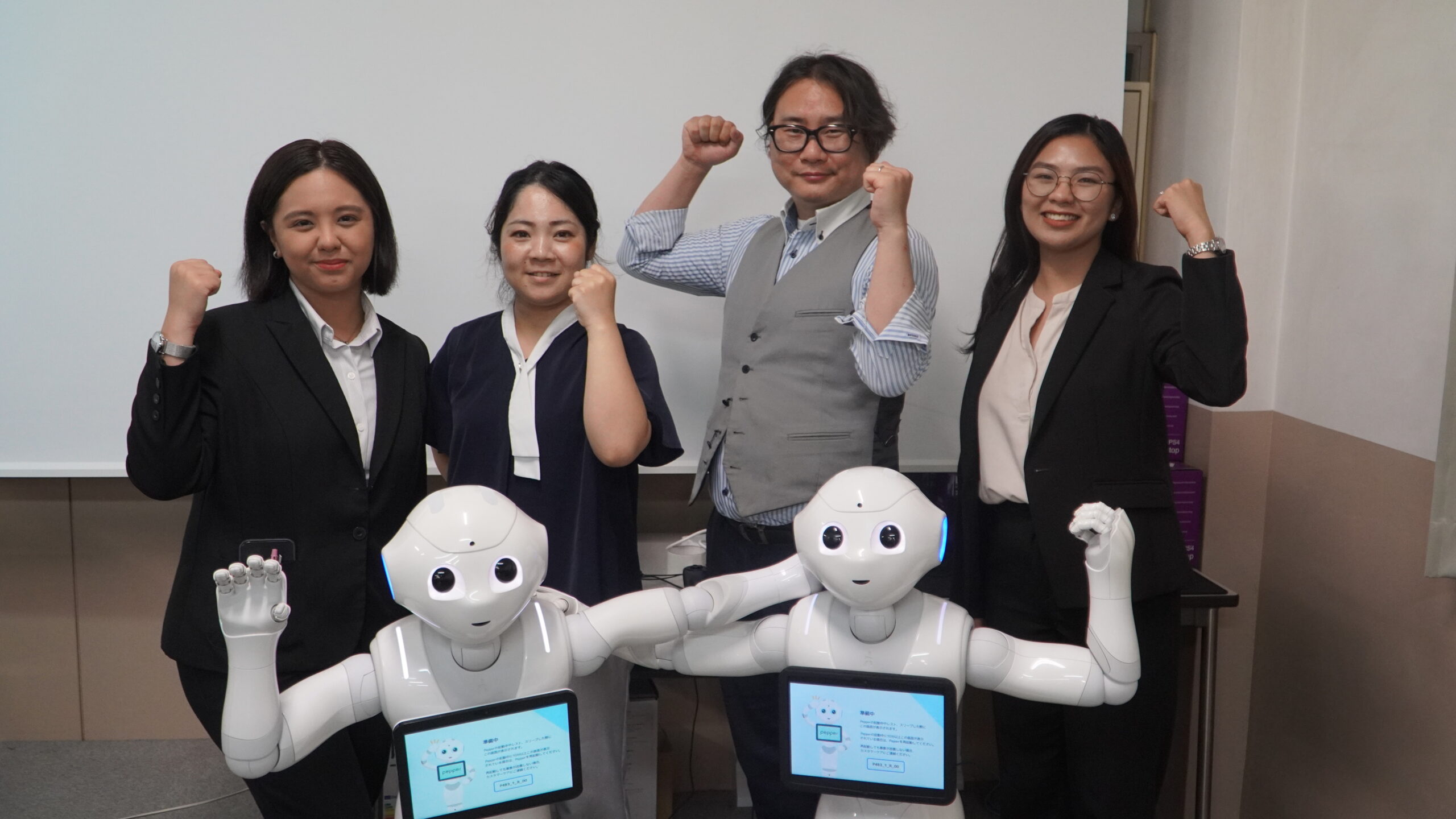 English×Programming Project Team Members
3.Overview of the Final Joint Online Presentation
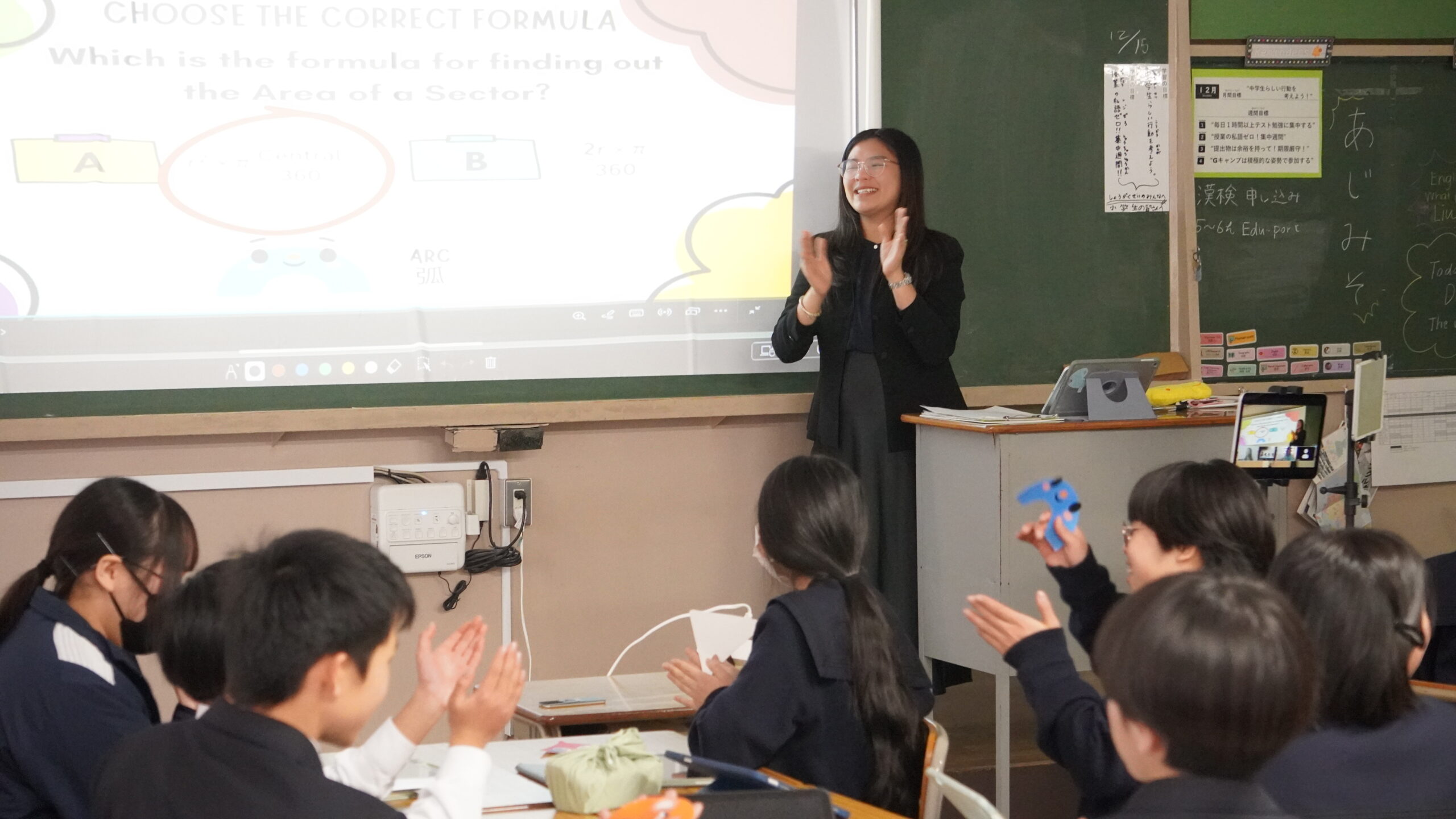
On the day of the presentation, two classes were conducted in parallel during the same time period. One was English×Mathematics for first-year junior high school students, and the other was English×Programming for first-year senior high school students. In both classes, English was used as the common language, and activities centered around students thinking for themselves, explaining their work, and engaging in dialogue with the students from other countries.
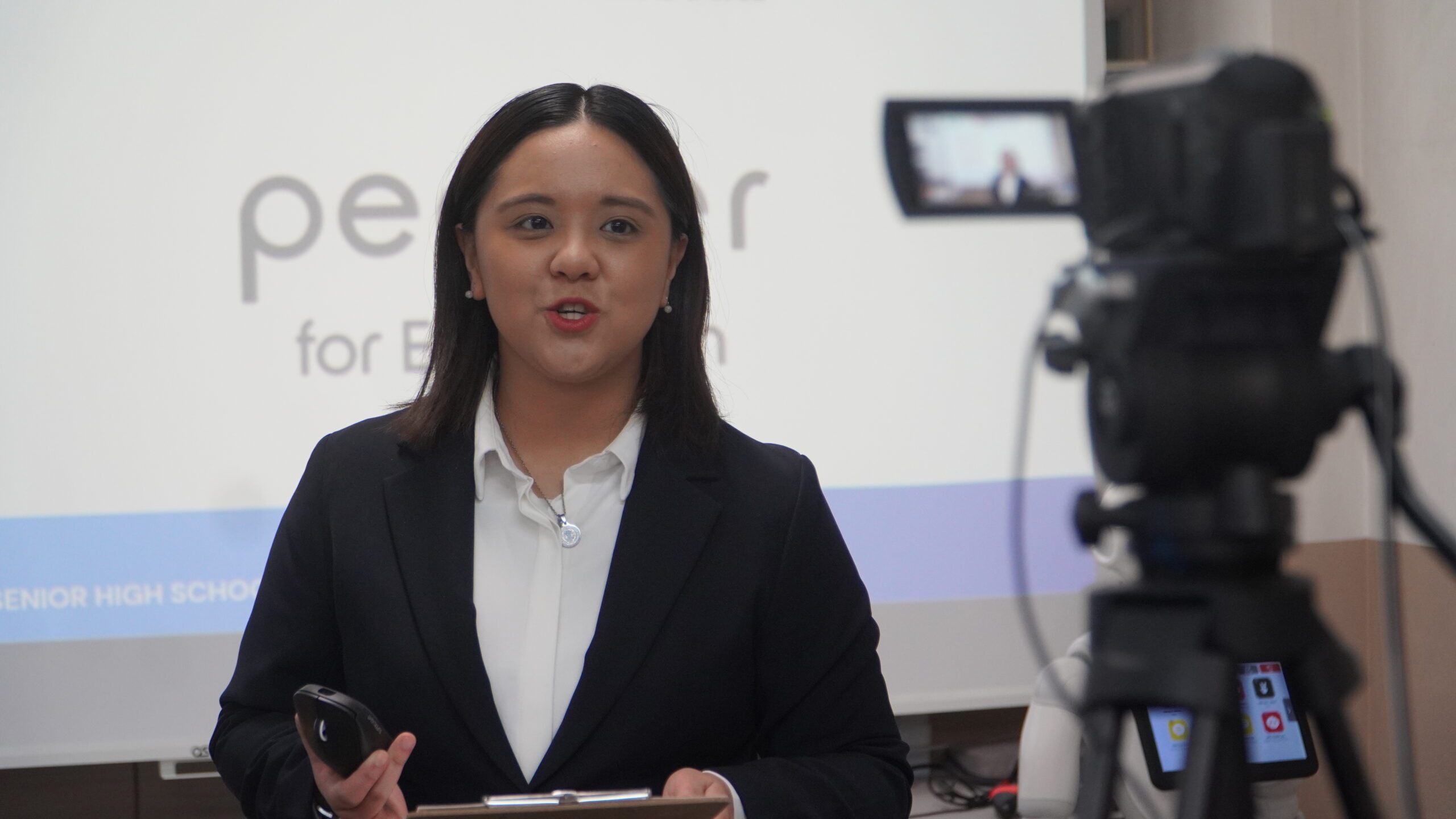
Practices and Outcomes of English×Mathematics (First-Year Junior High School)
The Japanese side’s presentation was structured around textbook content, but the school-wide system of ICT-based personalized learning was highly praised, as was the teacher’s support mechanism for the students’ learning progress.
Through mutual problem-setting and verification of the areas and volumes of geometric figures, students had the opportunity to understand the universality of mathematical thinking as well as differences in approach arising from educational background. Student feedback included comments such as, “Explaining my way of solving the problem in English helped me organize my thoughts,” “What struck me was how the same problem is explained differently in different countries,” and “I realized that both ways are correct and that mathematics is universal.” This learning experience enhanced mutual understanding through mathematics as a common language.
Practices and Outcomes of English×Programming (First-Year Senior High School)
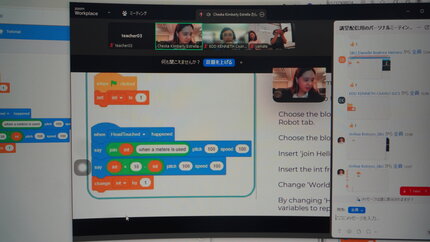
The Philippine side presented a highly interactive entertainment-type program, while Kobe Yamate Global Junior & Senior High School presented an interactive program for a school tour in English. The students reported how they addressed issues such as the accuracy of voice recognition by organizing expressions and improving the program structure.
4.Outcomes and Challenges
This project enabled validation of the effectiveness of Japanese-style education models, such as English immersion classes, ICT-based personalized learning, and lesson design through teacher collaboration, in an international context.
A computer science teacher in his forties commented, “As the students explained the programs to each other in English, I could see their logical thinking and communication skills developing.” A mathematics teacher in his forties commented, “The experience of explaining mathematical thinking in English led to better understanding by the students.” In this way, the experience of international collaboration was highly significant for young teachers from the perspective of human resource development, and contributed to the establishment of a cross-curricular collaborative framework.
On the other hand, challenges were also identified, including differences in students’ background knowledge and the need for further refinement of assessment methods.
-
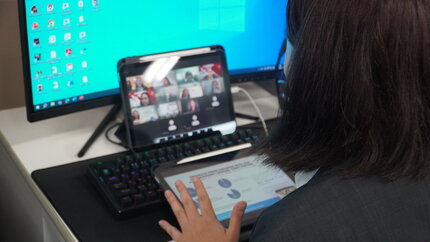 International collaborative class where students shared outcomes and challenges
5.Moving forward
Going forward, it will be necessary to develop international collaborative learning in a sustainable manner while giving due consideration to the burden on teachers. We plan to leverage the outcomes and challenges identified in this project to improve educational activities and school management from next year onward.
-
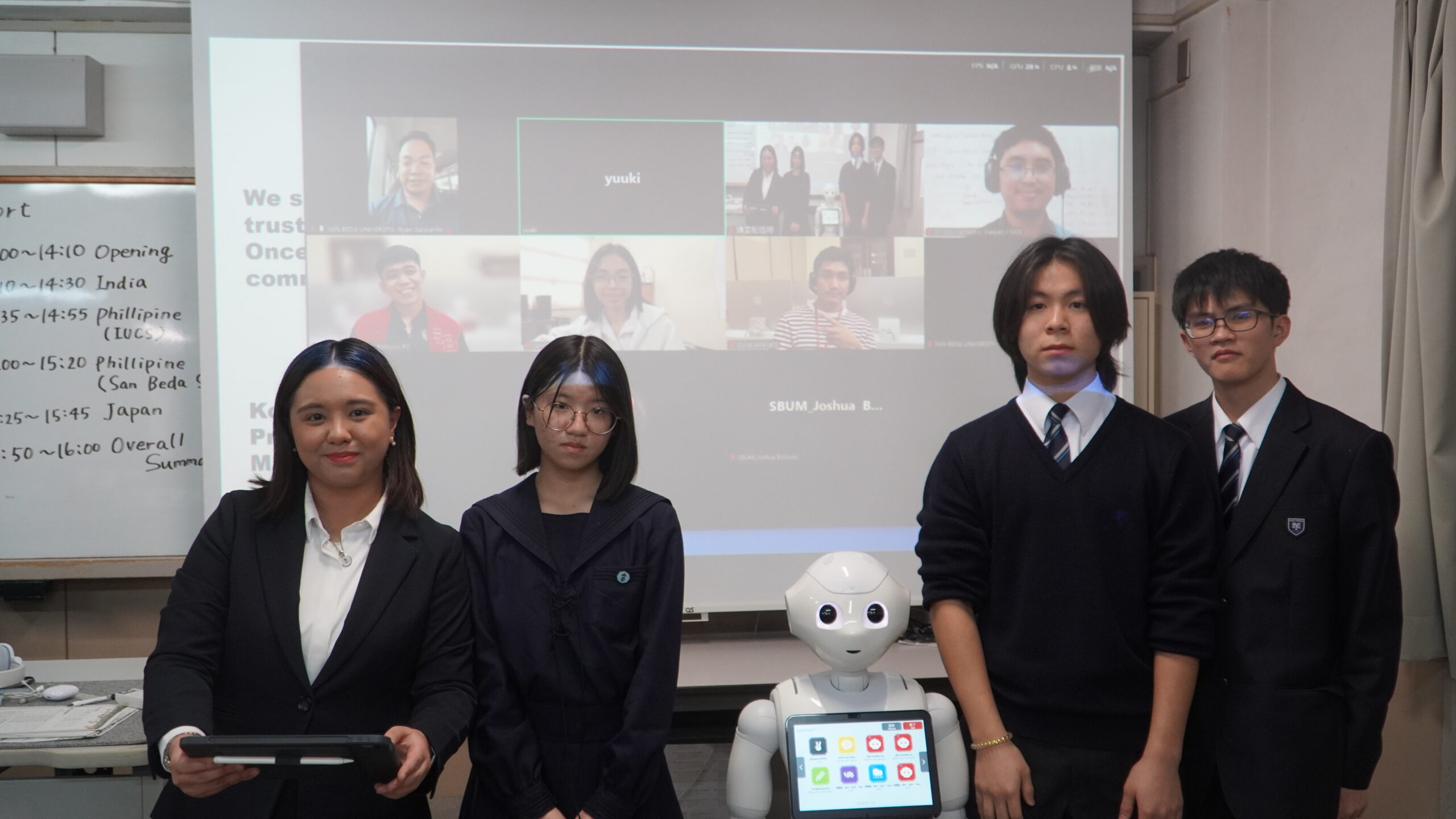 Japan: English×Programming Student Presenters from Kobe Yamate Global Junior & Senior High School
 -
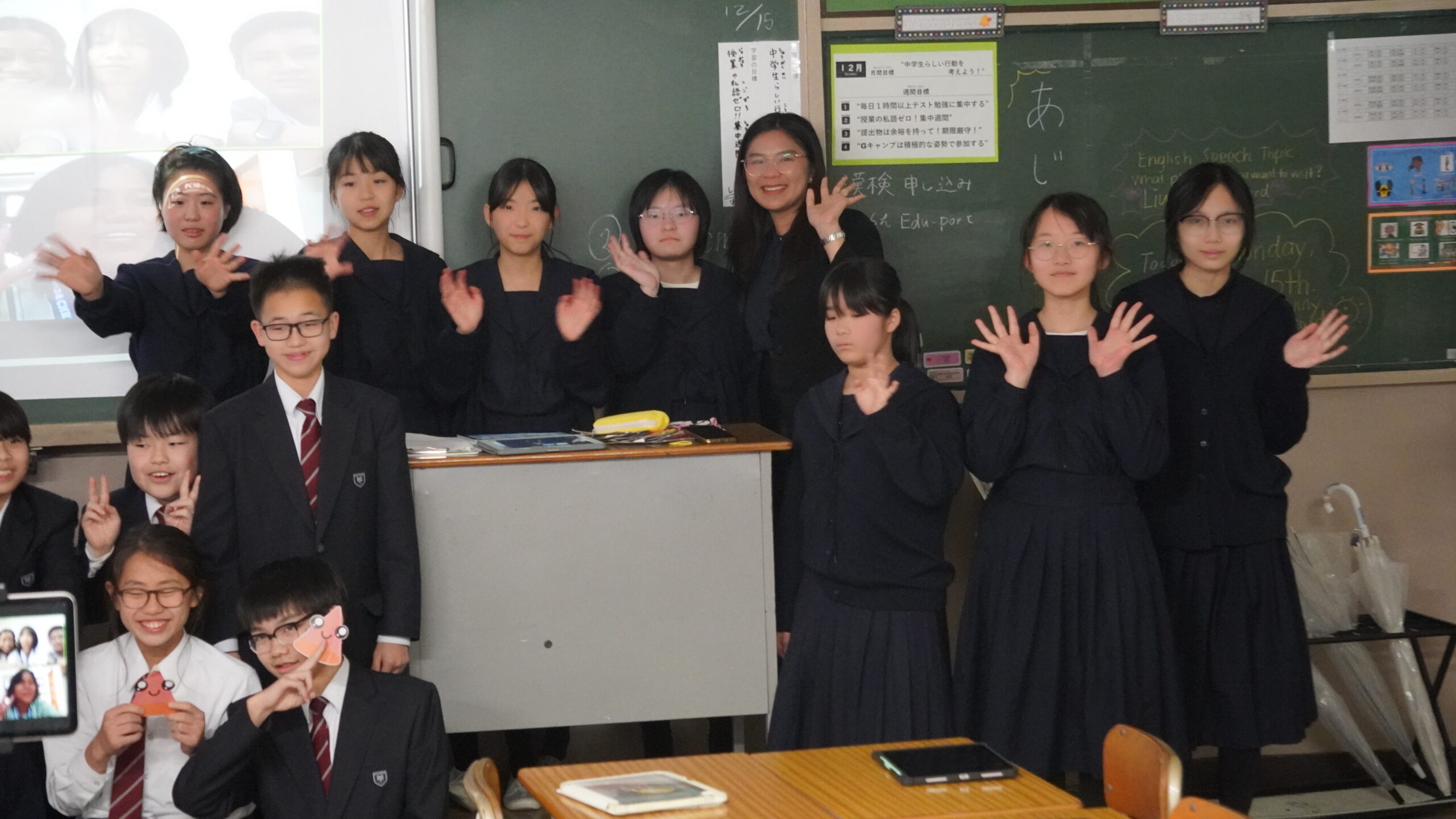 Japan: English×Mathematics Student Presenters from Kobe Yamate Global Junior & Senior High School
-
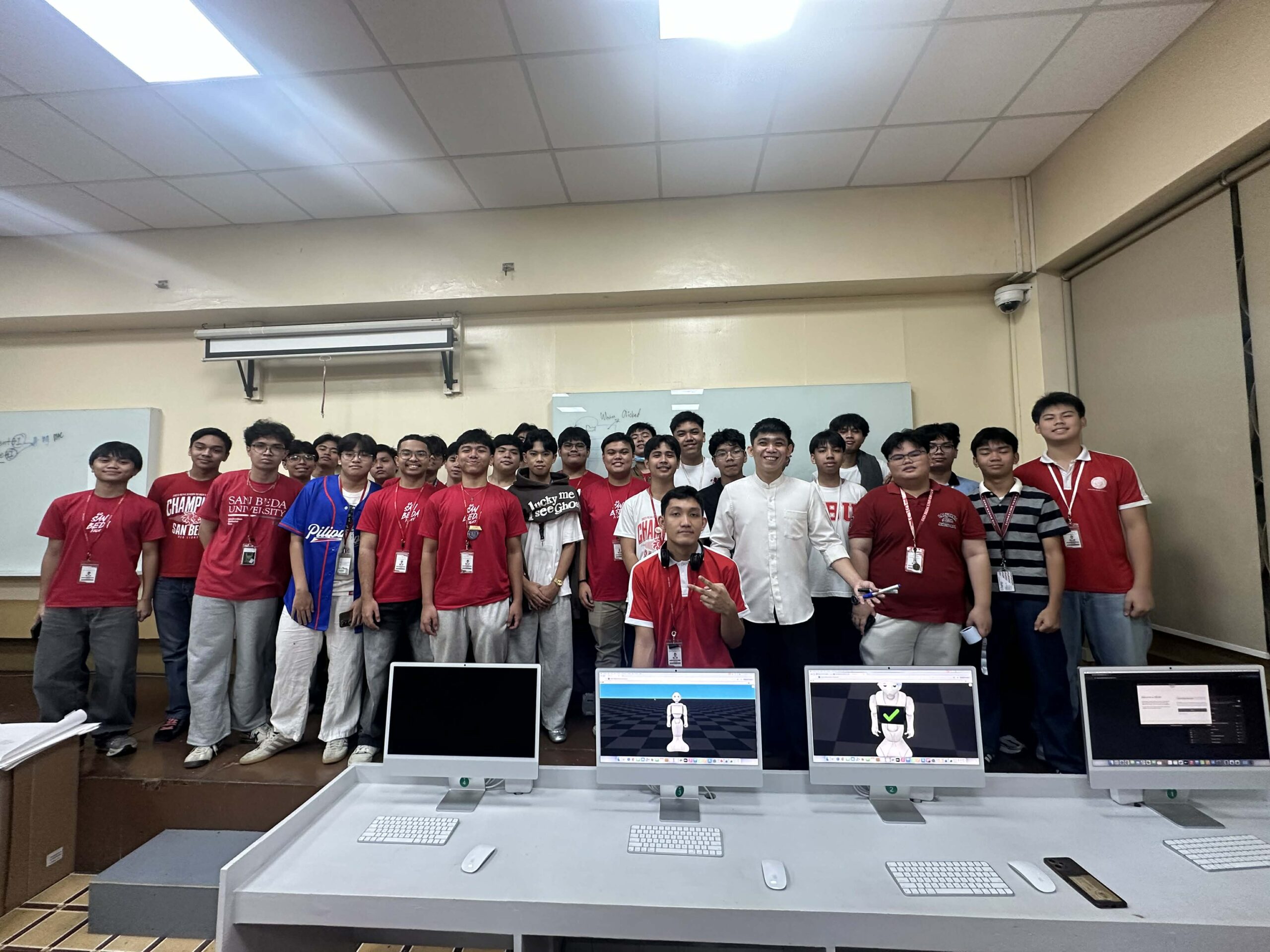 Philippines: English×Programming Student Presenters from San Beda University SHS Manila
 -
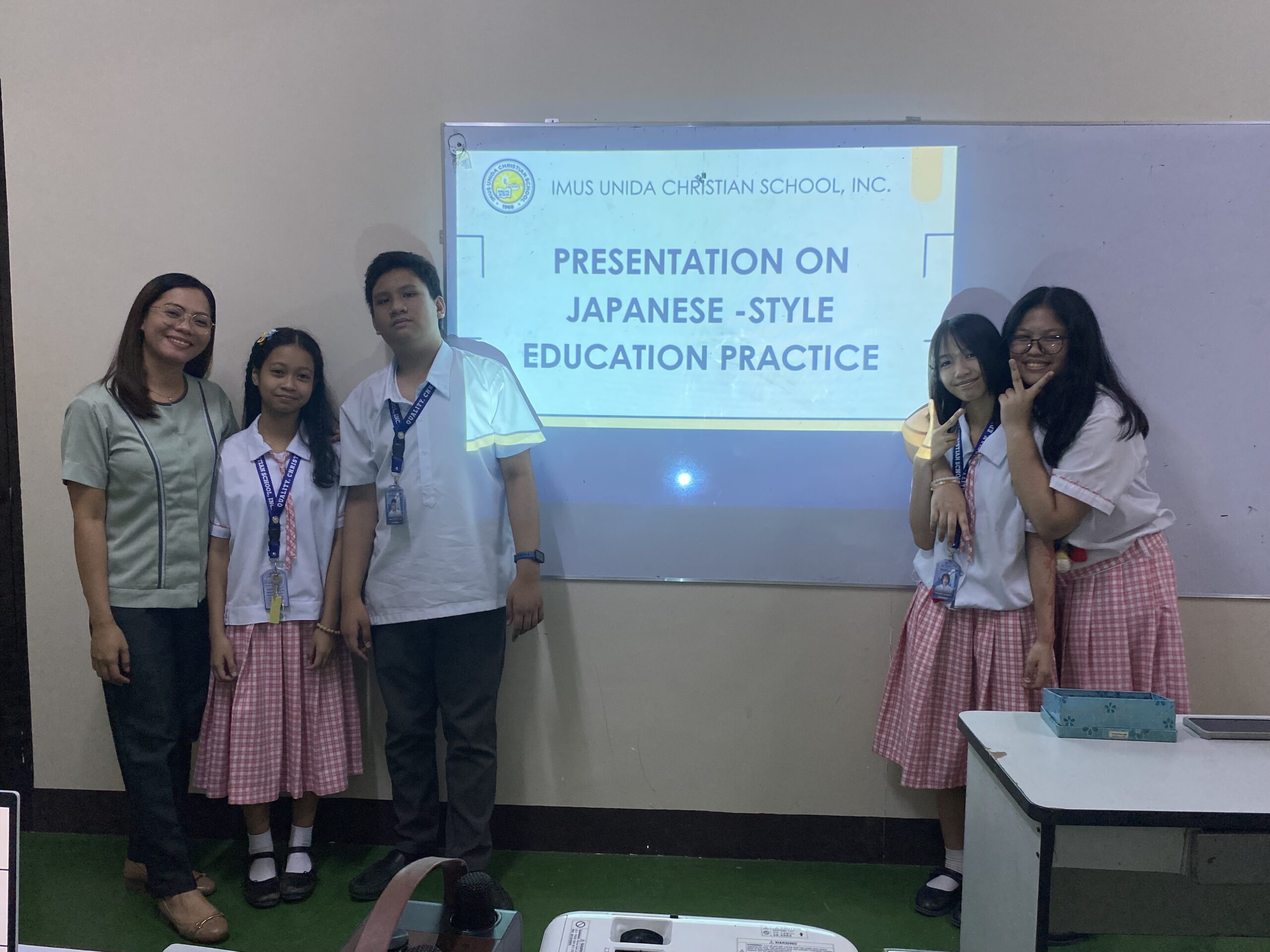 Philippines: English×Programming Student Presenters from Emus Christian School
-
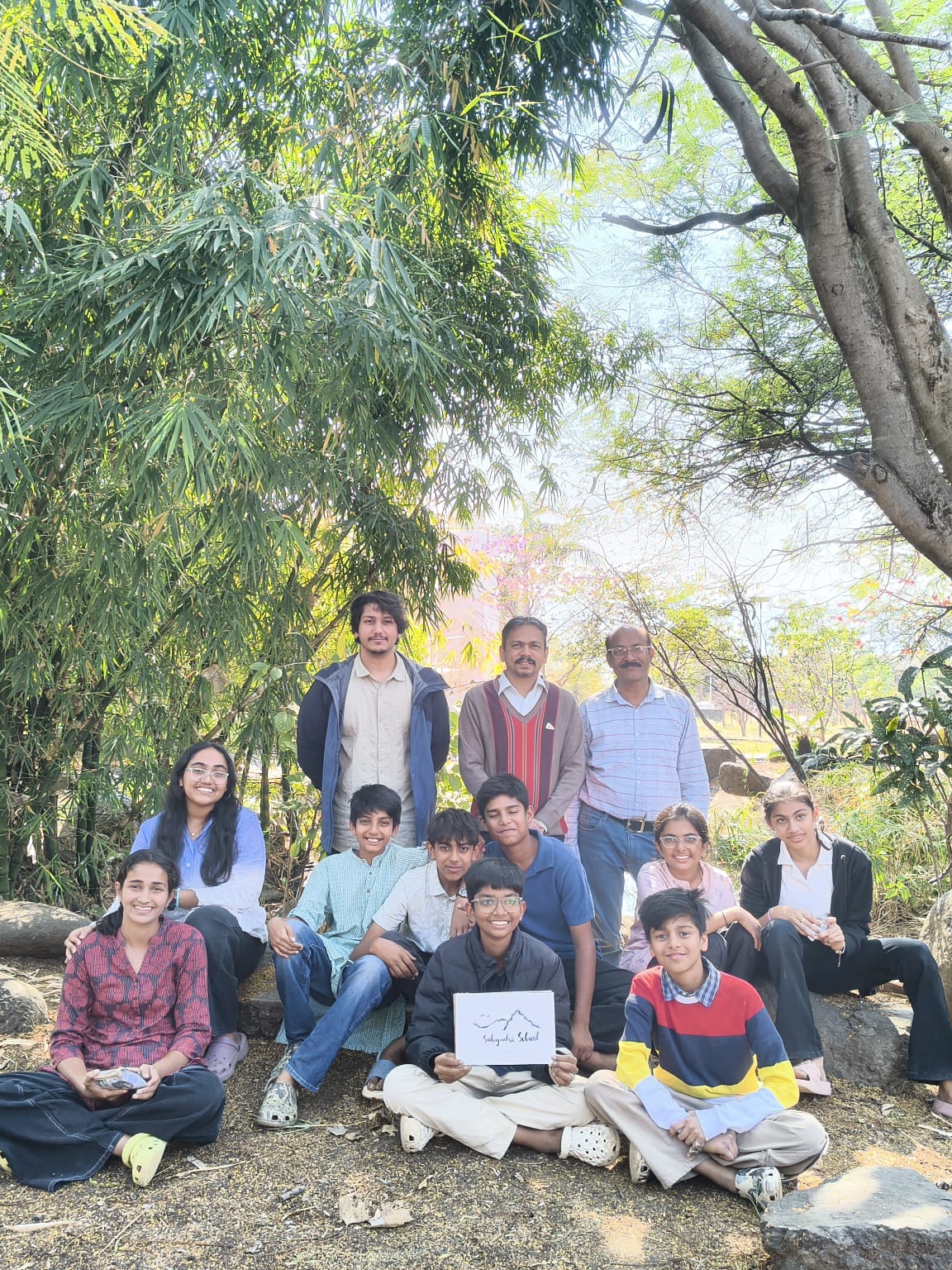 India: English×Programming Student Presenters from Sahyadri School