
Reasons and Background for Selecting the Philippines as the Target Country
The obesity rate among adults in the Philippines is rising, and lifestyle-related diseases have become a social issue. Both the Department of Health and the Department of Education are prioritizing the promotion of healthy lifestyles and increased physical activity among young people. However, there is no fully standardized nationwide mechanism for physical fitness assessment and health education. Although physical fitness testing has been institutionalized, progress is lacking in its implementation. Against this backdrop, the importance of physical exercise and health education at primary and secondary level is high. We, therefore, selected the Philippines as the target country, believing that the introduction of a Japanese-style physical fitness test and data-driven framework will contribute to behavioral change among students, increased awareness in educational settings, and future disease prevention.
Workshop for Local Teachers
In July 2025, a workshop on Japanese-style physical fitness testing was held at the University of the Philippines Diliman for 111 school teachers and university faculty members from across the Philippines. The workshop included an overview of Japan’s physical fitness testing, as well as an introduction to the ALPHA digital fitness assessment app developed by our company as an innovative support tool for physical fitness testing. Participants also engaged in hands-on testing activities, reviewed the results using ALPHA, and took part in a panel discussion on the future of physical fitness testing in educational settings.
According to the post-workshop survey (79 respondents), 96% indicated that they were satisfied, and 97% expressed interest in adopting the ALPHA digital fitness assessment app, demonstrating a high level of interest and positive feedback.
Furthermore, additional studies revealed that while public schools in the Philippines are institutionally required to conduct physical fitness tests and submit the results, the system is not functioning effectively due to a lack of equipment, a shortage of personnel responsible for providing instruction and utilizing the data, and limitations in the monitoring system of the Department of Education (DepEd).
-
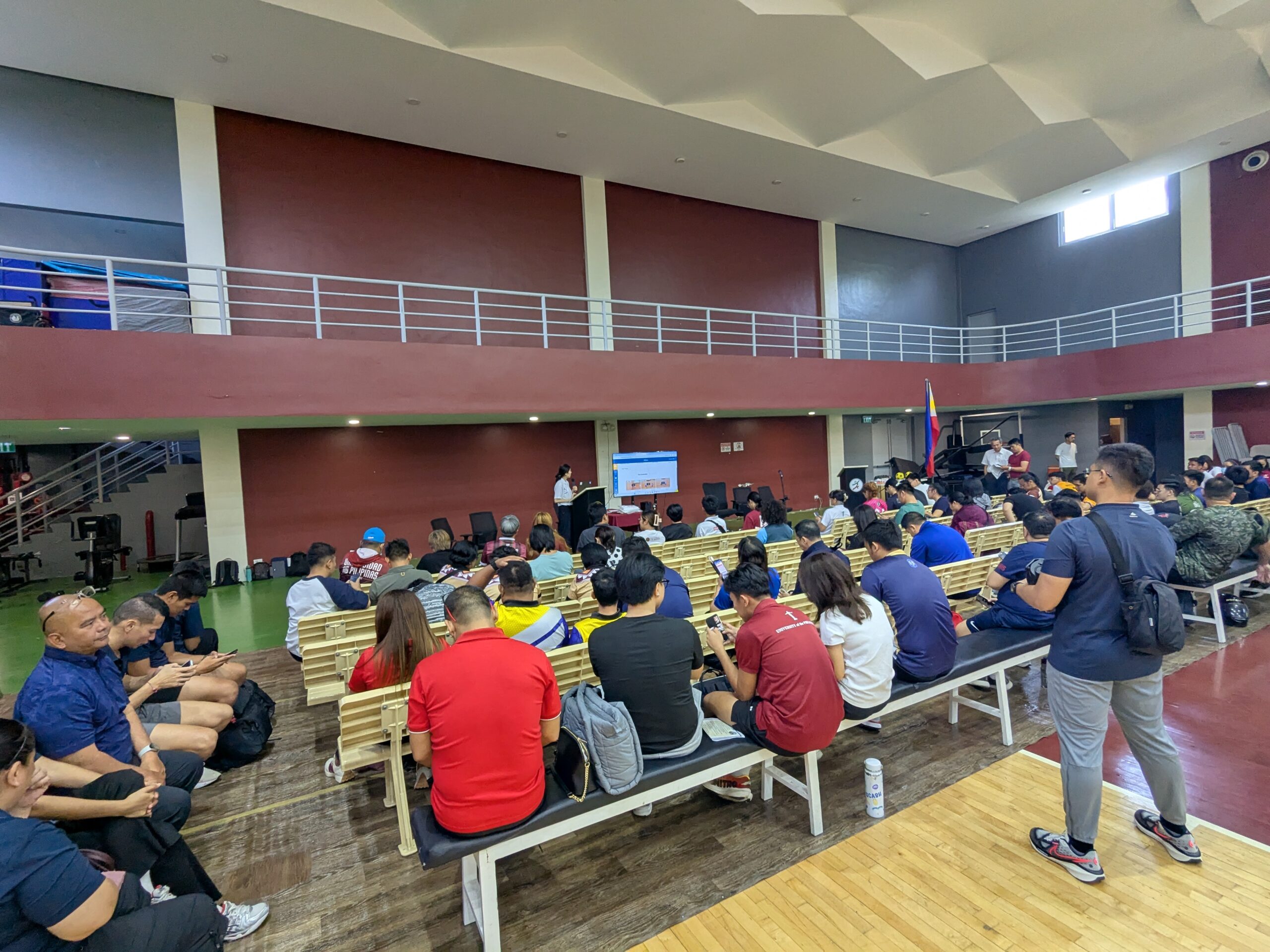 Workshop: Lecture
 -
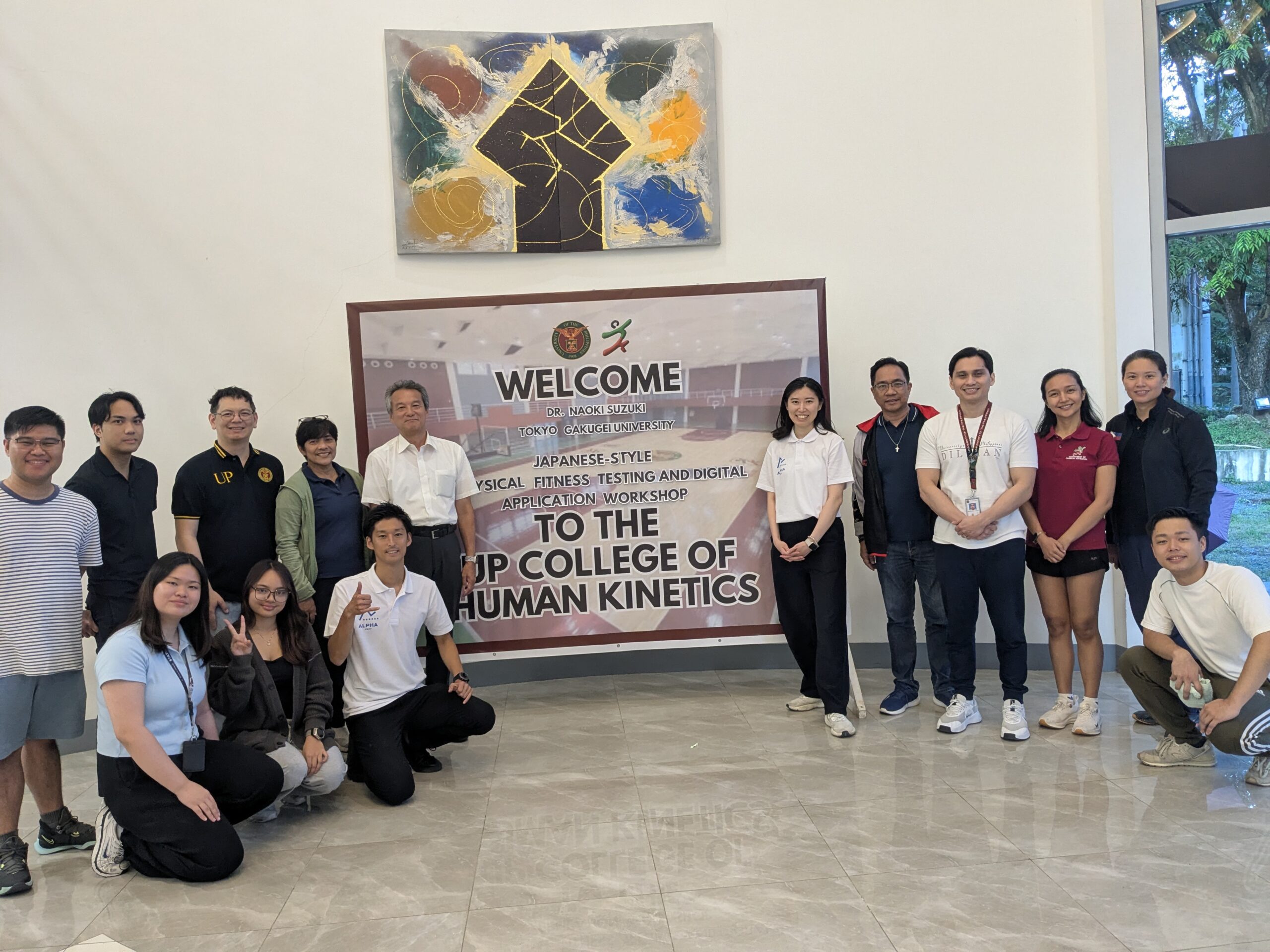 Workshop: Group Photo①
We have created a video summarizing the day’s activities which can be viewed on YouTube.
On-Site Challenges
・A total of 111 participants attended the workshop, and the need to conduct all eight fitness tests within a limited space posed an operational challenge for us. By checking the venue size and available equipment in advance, and by meticulously planning which items to bring from Japan as well as the layout for each activity and participant flow, we were able to carry out the workshop without major confusion on the day.
・To facilitate smooth communication with the participants, Japanese residents living locally were invited to join the workshop as volunteers. As a result, language and cultural gaps were bridged, contributing to a better understanding of the workshop and its smooth implementation.
・Due to insufficient prior confirmation of local regulations and laws regarding personal information, we encountered difficulties when conducting activities involving students in school settings, as extensive documentation and procedures were required. This experience highlighted the importance of thoroughly researching country-specific legal systems and conducting consultations with the relevant authorities in advance.
Rediscovering the Value of Japan’s Physical Fitness Testing
We believe that physical fitness testing, a characteristic feature of Japanese-style education, is meaningful in that its implementation supports educational improvement and health guidance. Upon closer examination, however, we found that its value lies not only in the implementation itself, but in the systematic design of the test items and in the mechanism that enables objective assessment of each student’s physical fitness status through numerical data and the use of these results for subsequent guidance. On the other hand, while the importance of physical fitness and health education is recognized in educational settings in the Philippines, it was also observed that there is a lack of an adequate system for continuous and objective assessment and leveraging of the results to improve health guidance. This comparison provided an opportunity to re-evaluate Japan’s physical fitness testing not simply as a means of assessment, but as a meaningful educational system that accurately captures students’ conditions and enables more appropriate educational support and health guidance.
-
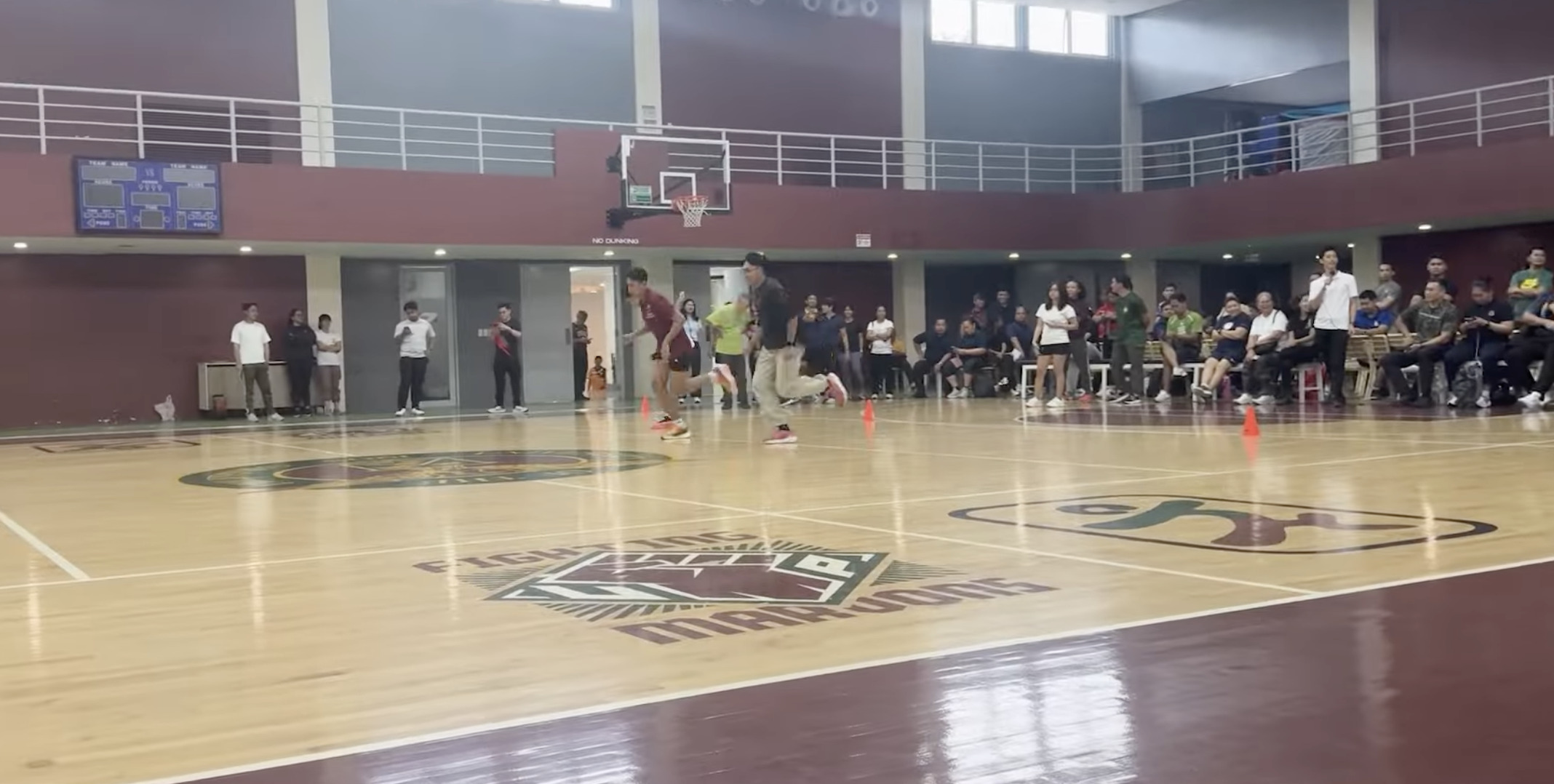 Workshop: Shuttle Run
 -
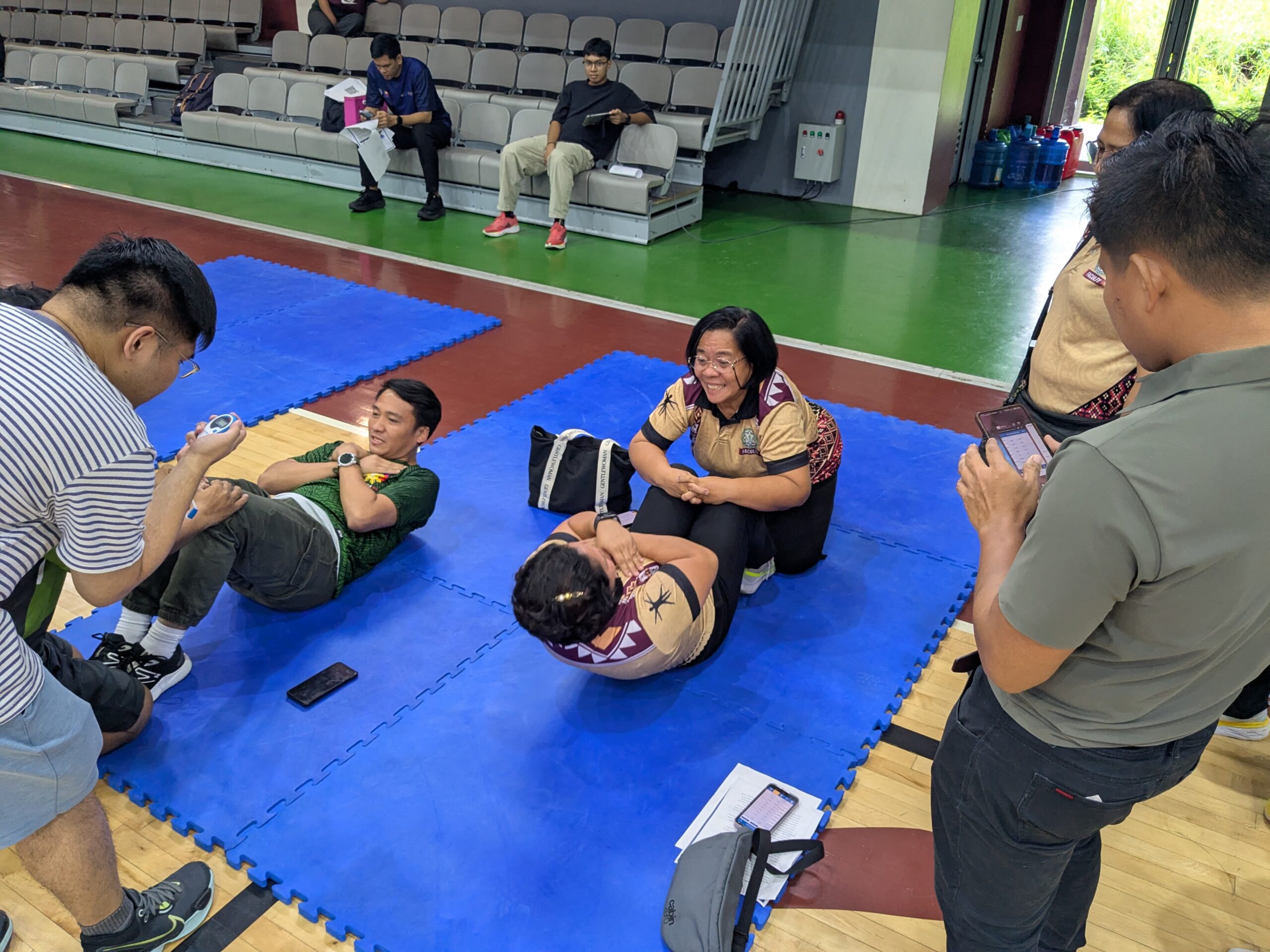 Workshop: Sit-ups
Future Plans
Going forward, we will conduct Japanese-style physical fitness tests and lifestyle habit surveys in Philippine schools using the ALPHA digital assessment app, creating opportunities for students and teachers to learn about exercise and health, and leading to consideration of future disease prevention measures based on an understanding of physical fitness levels and lifestyle habits.
As a first step, we will conduct Japanese-style physical fitness tests at multiple schools and clarify the challenges in the Philippines through comparisons with data from Japan. Based on the findings, we aim to work with local education authorities to promote the introduction and use of physical fitness tests at the policy level.
Benefits of Recognition as an EDU-Port Japan Supported Project
・Being positioned as a public project increased the project’s importance both internally and externally, providing momentum for continued efforts.
・Being positioned as a project related to the Japanese government (Ministry of Education, Culture, Sports, Science and Technology) enhanced its credibility with local educational institutions and relevant government agencies, facilitating smooth relationship building.
・Sharing information and studying cases with other selected organizations allowed us to gain knowledge and insights that we could not have obtained on our own.
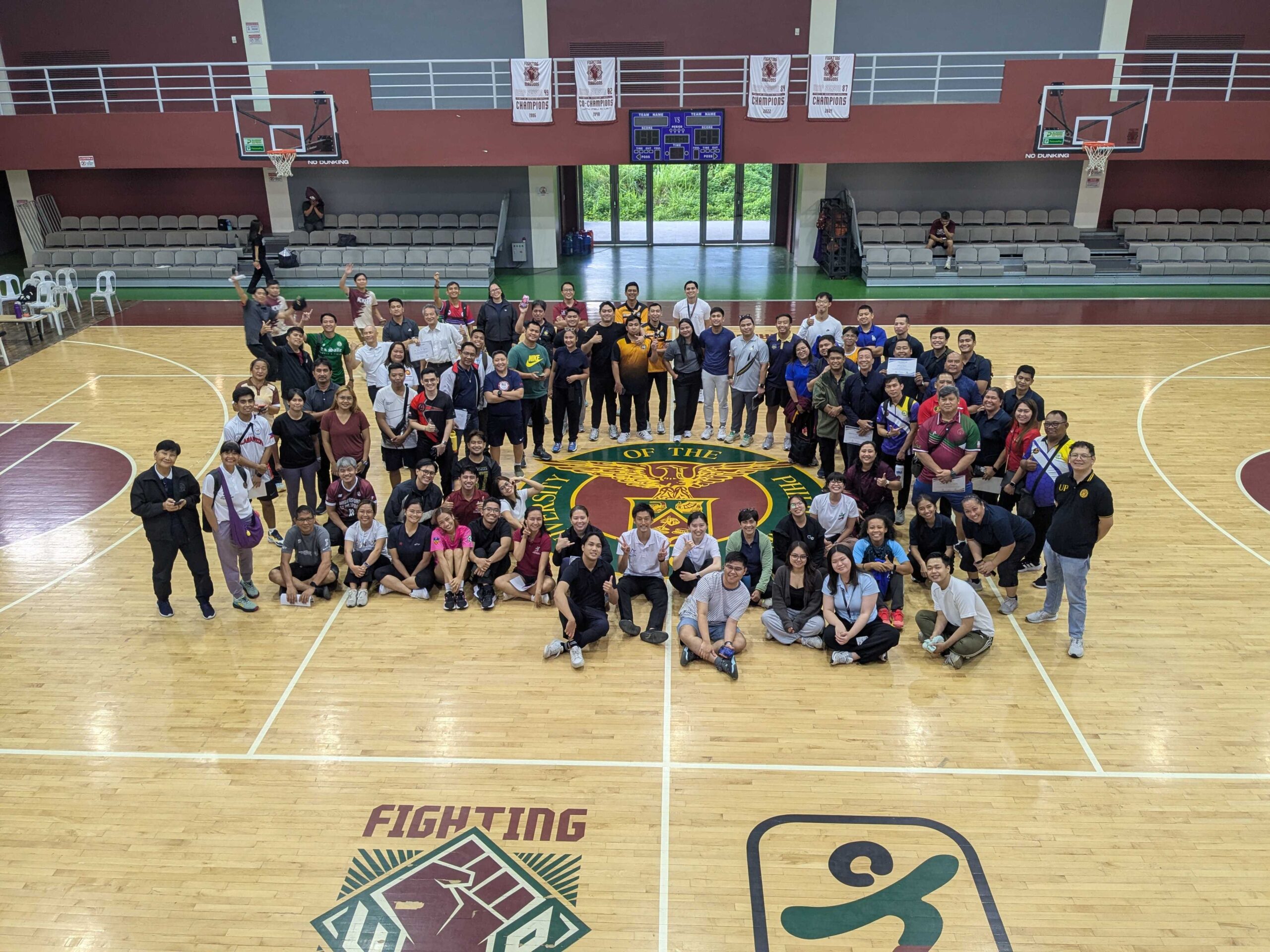
Workshop: Group Photo②
We will firmly leverage the knowledge gained from this project in future initiatives and continue to take on challenges in a more effective manner, both domestically and internationally, toward realizing our vision of “Make Fitness Data Valuable”.