
1. Challenges facing veterinary education in Cambodia
Cambodia’s economic growth in recent years has led to an increase in the number of households keeping dogs and cats, resulting in a growing need for small animal veterinary care. However, opportunities to study small animal clinical medicine in a systematic manner remain limited, and a sufficient environment for acquiring practical clinical skills has not yet been established.
To address these challenges, Sunny Animal Hospital implemented this initiative as an EDU-Port Japan Supported Project, with the aim of leveraging Japan’s expertise in veterinary education to establish a foundation for sustainable veterinary education in Cambodia, and to ensure the results of human resource development spread throughout the region. Although the project has officially ended, these efforts continue to this day.
2.Developing human resources through practical training
In this project, Japanese veterinarians, pet care nurses, and other staff were stationed at the clinic on a daily basis, providing local veterinary practitioners with daily on-the-job training (OJT), together with regular online lectures and workshops. Through this combination of practical and theoretical learning, the project delivered a comprehensive educational program.
The OJT involved daily hands-on instruction through clinical practice and surgery, fostering the development of skilled personnel who can be an immediate asset in the workplace. The on-site Japanese staff, drawing on their experience in Japan, made a significant contribution to the development of Cambodian veterinary personnel through day-to-day clinical practice.
In the online lectures, Japanese veterinarians with expertise in a range of specialist fields served as lecturers, providing a series of lectures on specialized topics that would be difficult for students to acquire locally.
In addition, workshops were held, led by clinical veterinarians and pet care nurses who had traveled from Japan, creating a platform for university faculty members, local veterinary practitioners and veterinary students to regularly share knowledge across hospitals and generations.
These initiatives have continued beyond the official project period, providing educational opportunities to a wide range of local veterinary professionals and students.
In particular, the Cambodian veterinary staff, having steadily developed their skills through daily OJT at Sunny Animal Hospital, are now not only mentoring new staff in routine clinical practice, but are also capable of diagnosing and treating complex cases and are involved in social action programs through animals, such as animal-assisted therapy and animal welfare and protection initiatives. One of the project’s greatest achievements has been the emergence of a virtuous cycle in which the knowledge and skills acquired through hands-on clinical practice are shared with and disseminated throughout the local veterinary community.
Going forward, as we continue to develop an excellent educational environment, we aim to produce many Cambodian veterinarians who possess not only advanced animal clinical skills and specialist knowledge, but also a strong commitment to animal welfare and protection, as well as professionalism and a sense of ethics. We hope that these veterinarians, having grown both professionally and personally, will play a leading role in building a strong foundation for veterinary medicine in Cambodia.
-
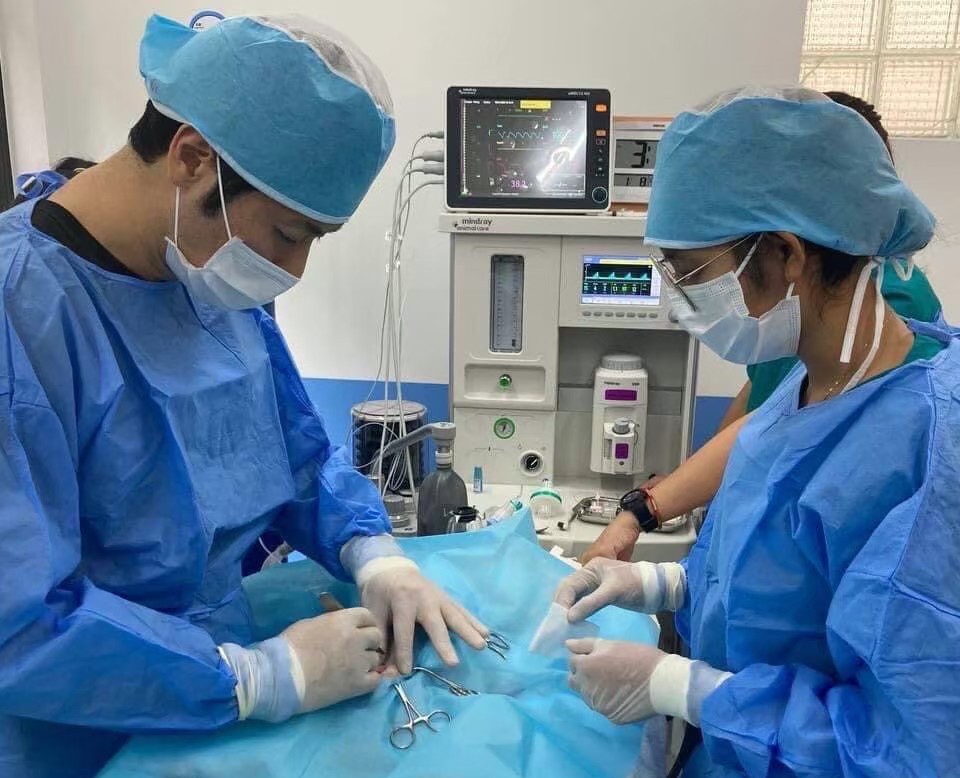 Learning through OJT
 -
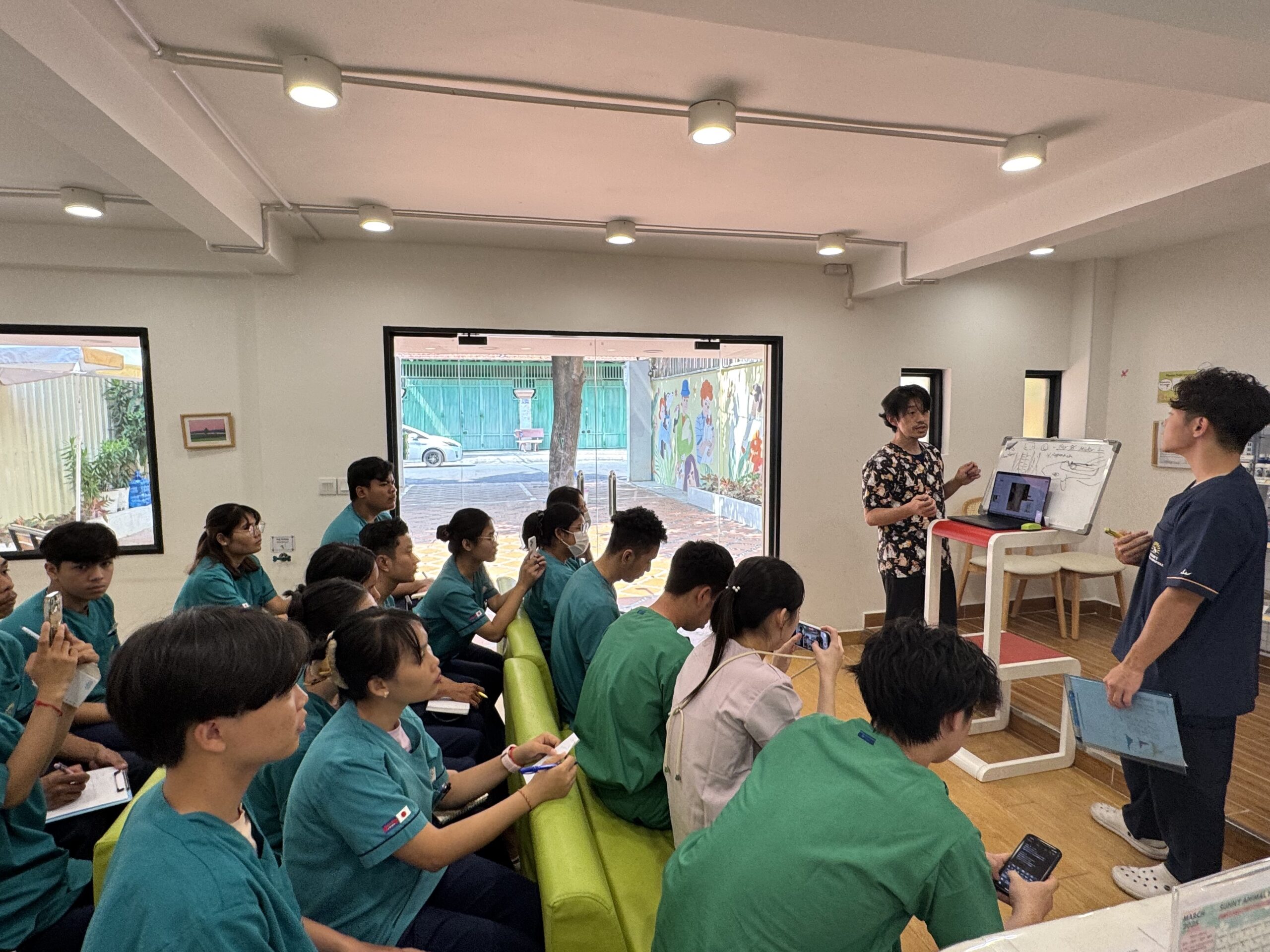 Veterinary surgeon Dr. Tsukada delivering an in-house surgical lecture
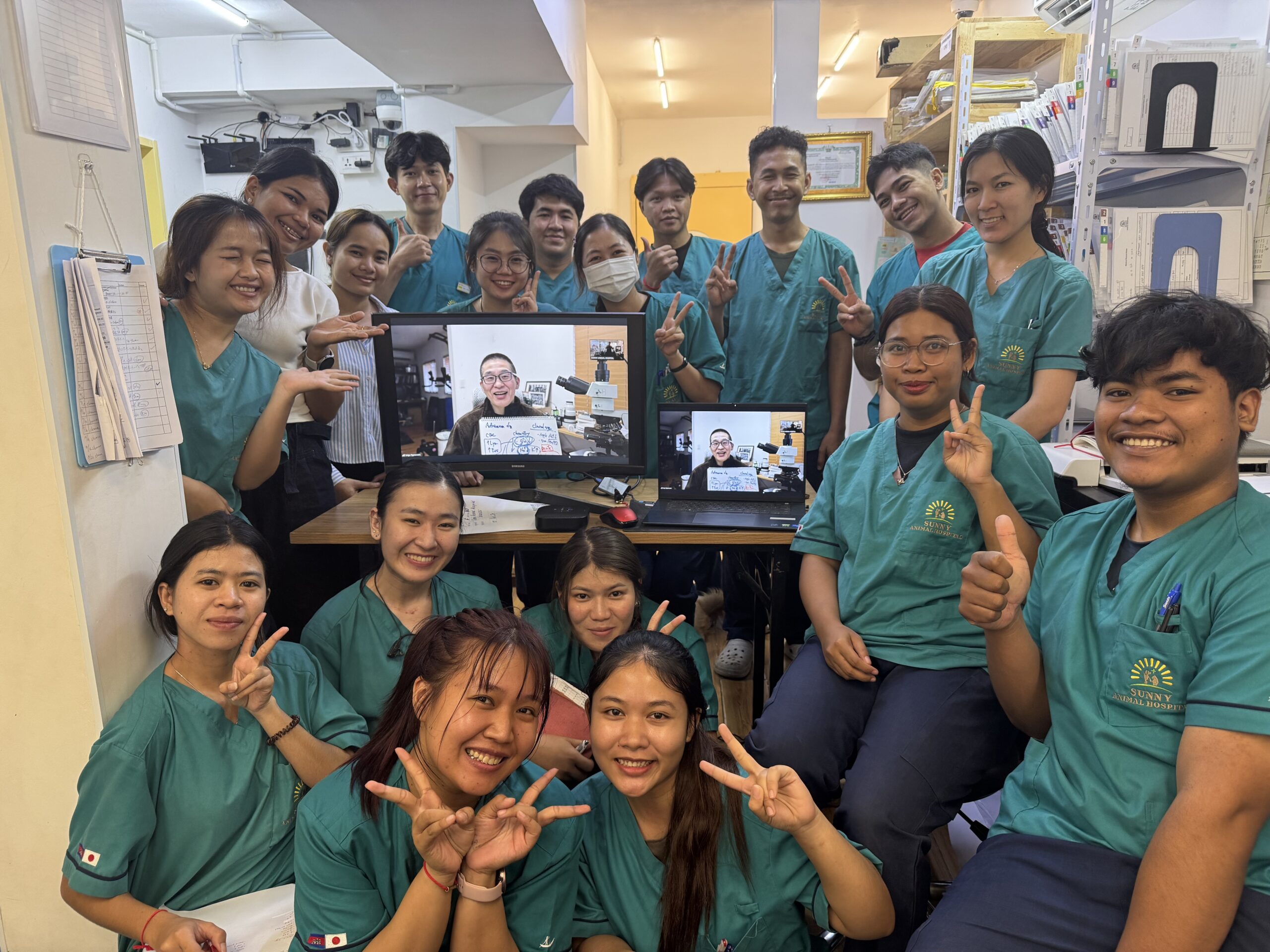
Online lecture by US-certified veterinary pathologist Dr. Ogasawara
3.Learning through mutual exchange
This project focused not only on transmitting knowledge from Japan, but also on creating an environment in which both Japan and Cambodia could learn from each other.
Two Cambodian veterinary staff members visited Japan to observe specialist animal hospitals across the country. On their return, they gave an in-house presentation to share what they had learned with the entire staff, turning individual learning into an opportunity for organization-wide learning.
Furthermore, a study tour to Cambodia was organized for Japanese veterinarians and veterinary students. Experiencing clinical practice and educational environments different from those in Japan firsthand provided Japanese veterinarians and veterinary students with valuable learning opportunities and broadened their international perspectives.
The participants commented that, by experiencing Cambodian society and the realities of local veterinary practice firsthand, they became aware of opportunities for Japanese veterinarians to contribute internationally, greatly expanding their future career options and perspectives.
Through this kind of two-way exchange, we came to appreciate once again that education is not simply the one-way transmission of knowledge, but rather a process of learning together while understanding the challenges and backgrounds of each other’s country.
We hope to continue this study tour as an annual initiative in the medium to long term.
-
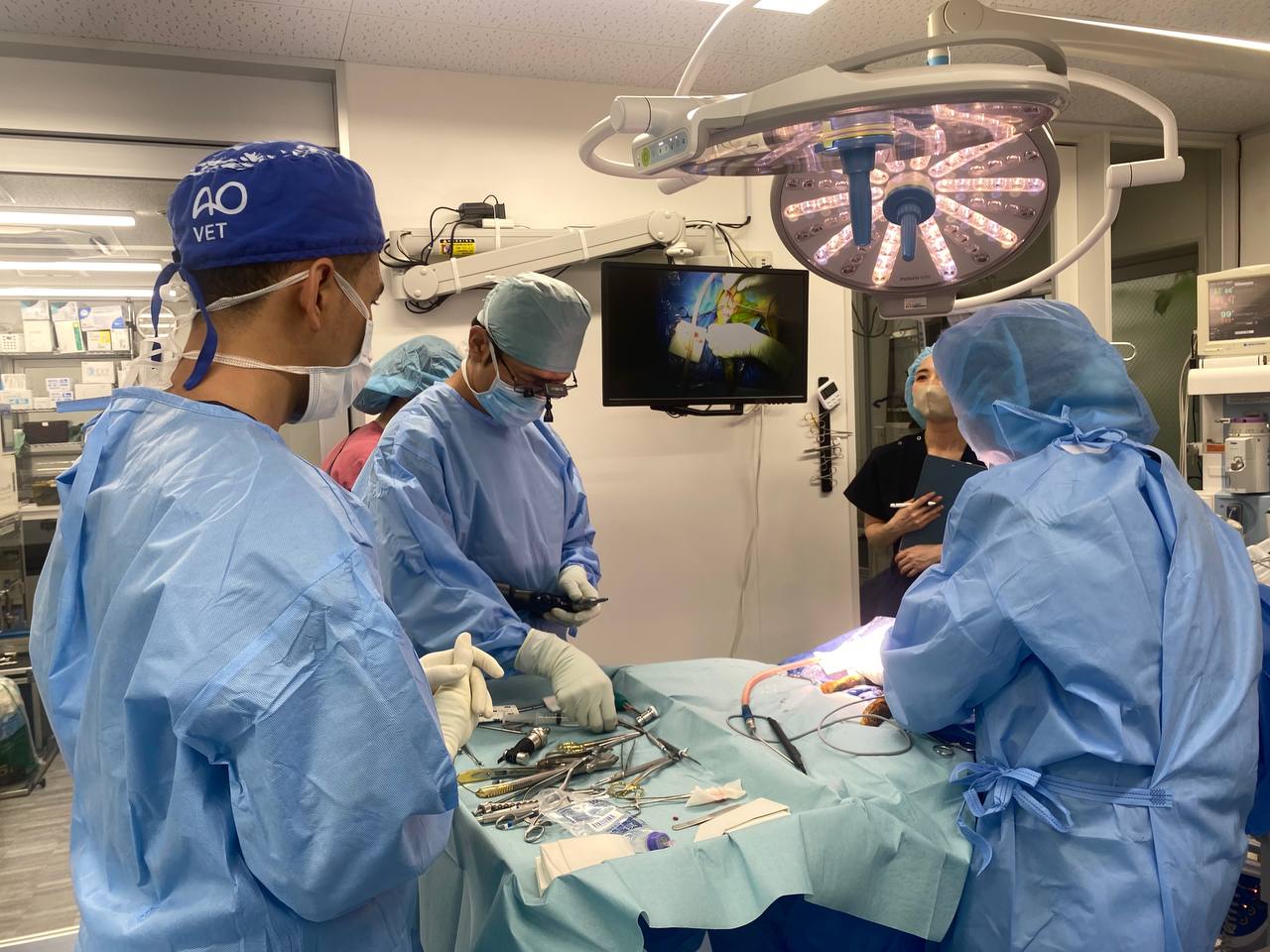 Visit to Dr. Kimura’s Vet Surg Tokyo
 -
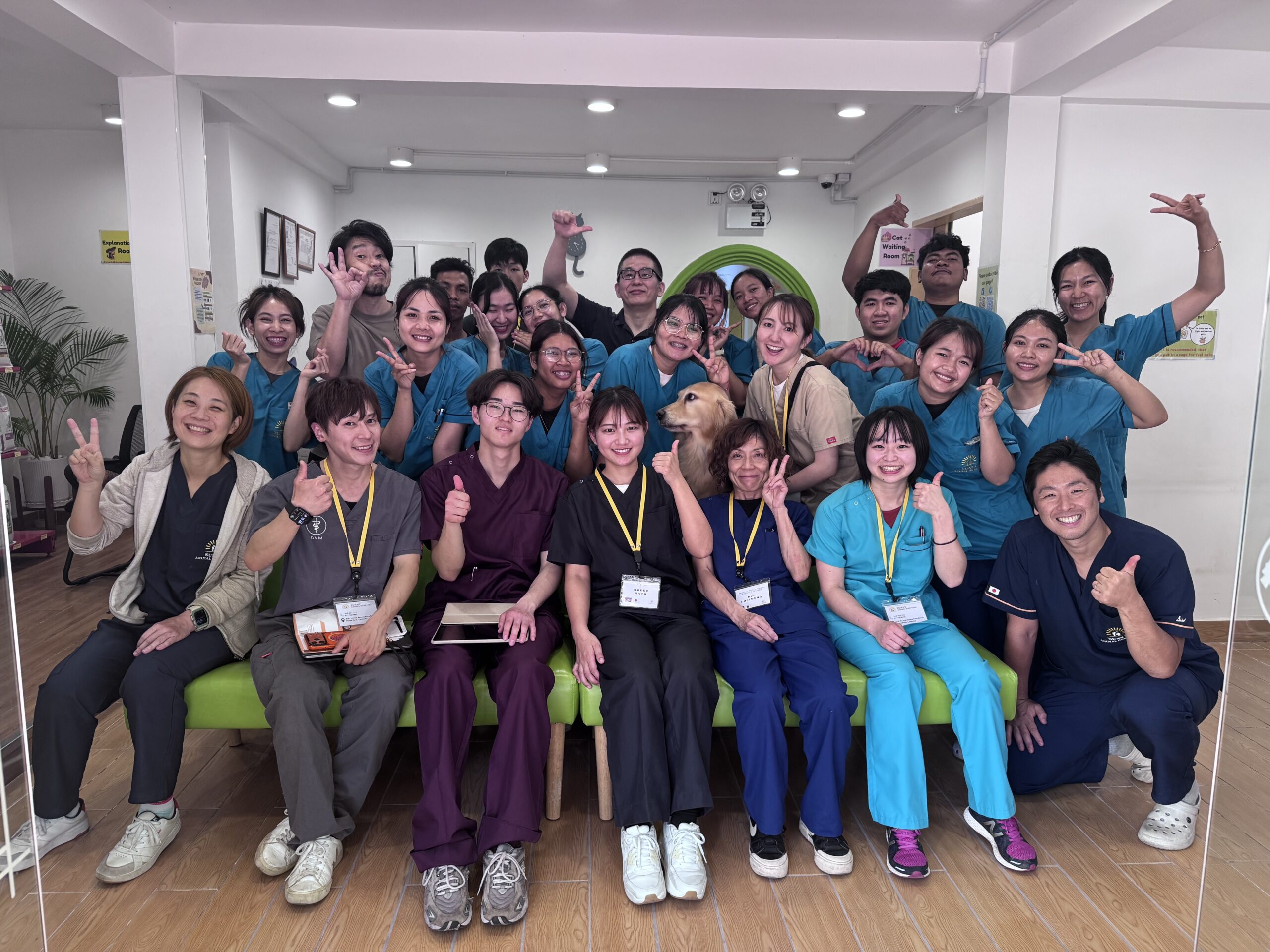 Cambodia study tour for veterinarians and veterinary students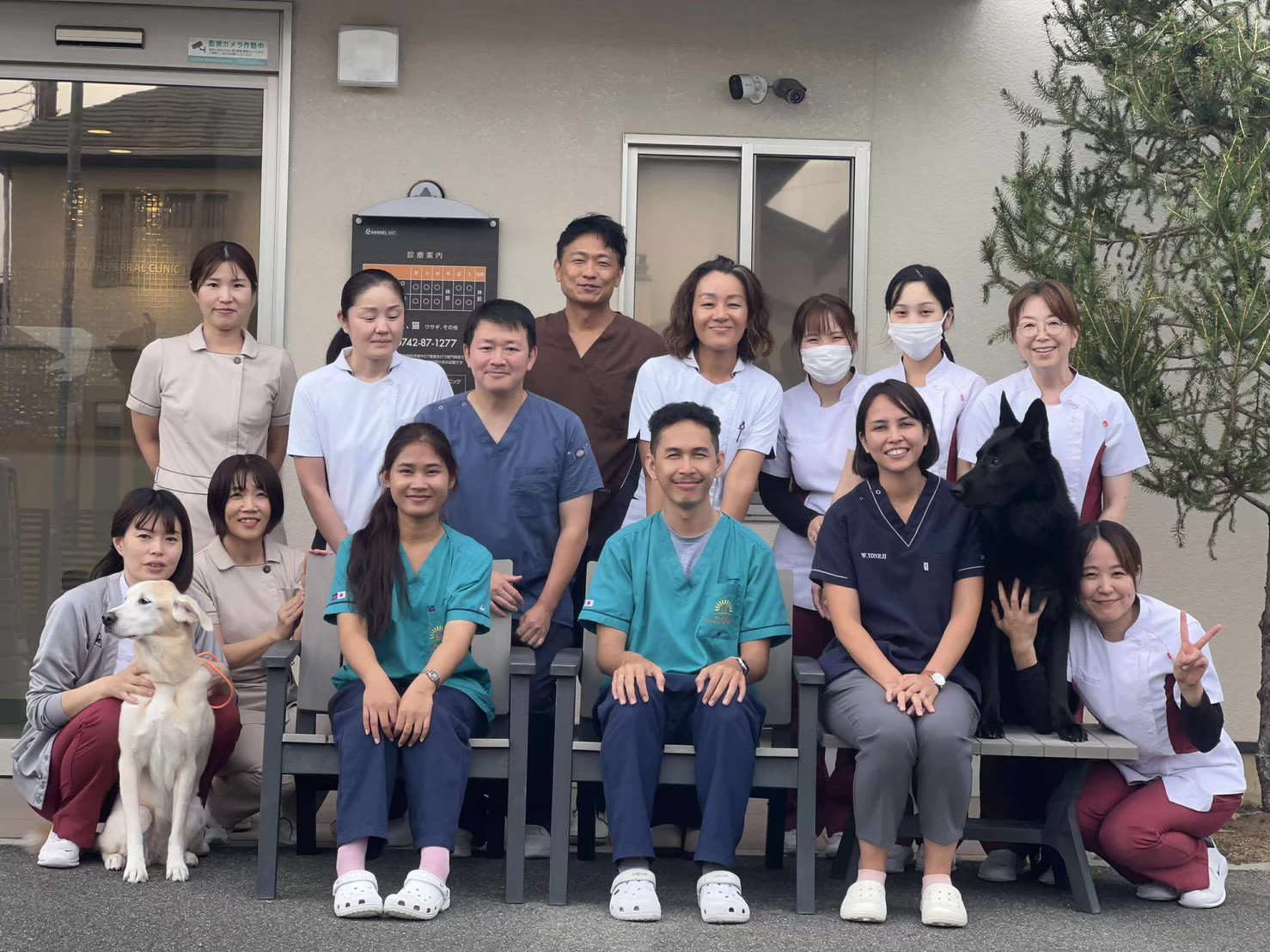
Visit to Dr. Yoneji’s Nara Animal Secondary Care Clinic-
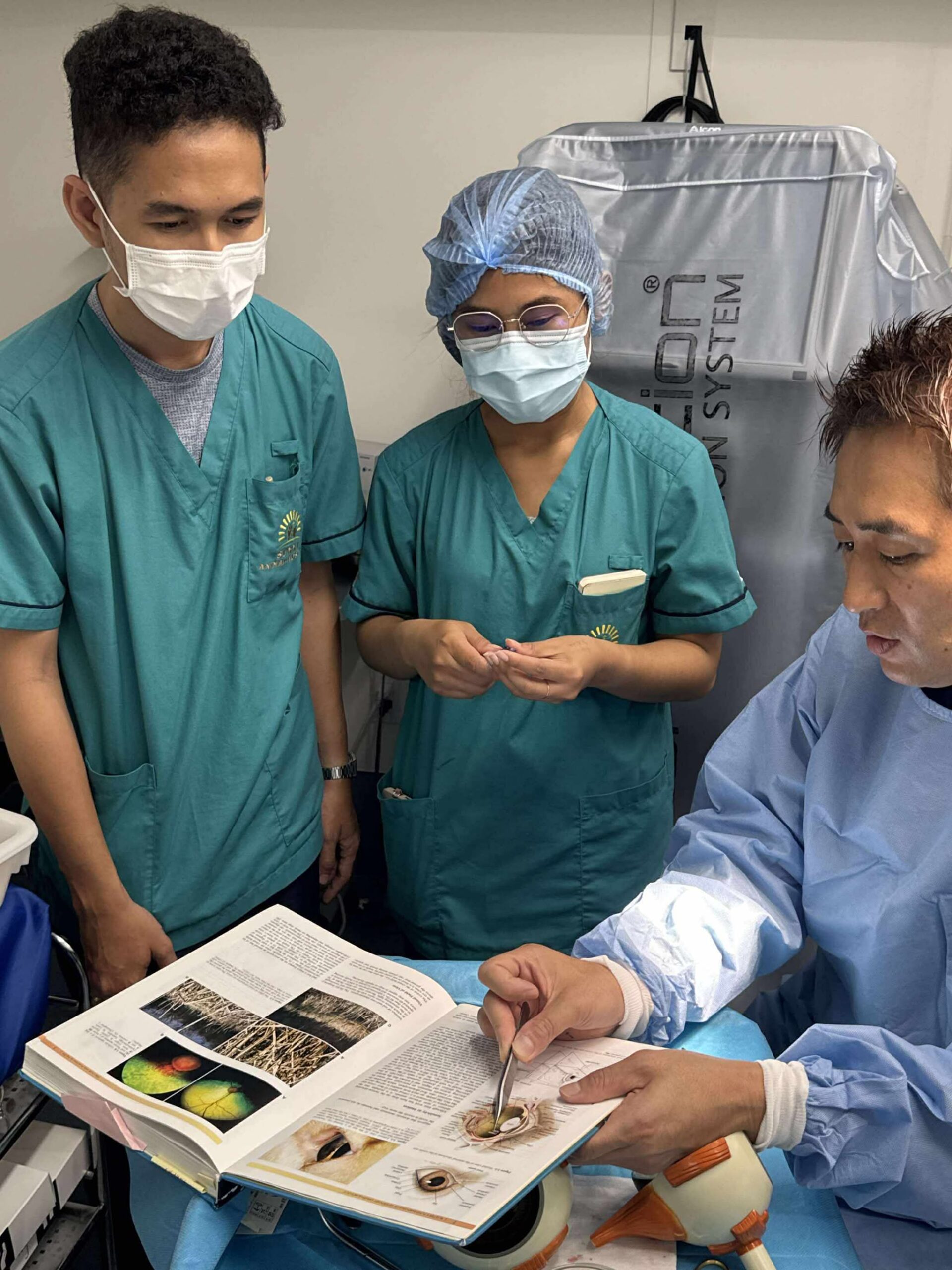 Visit to Dr. Tsujita’s Veterinary Ophthalmology Clinic
 -
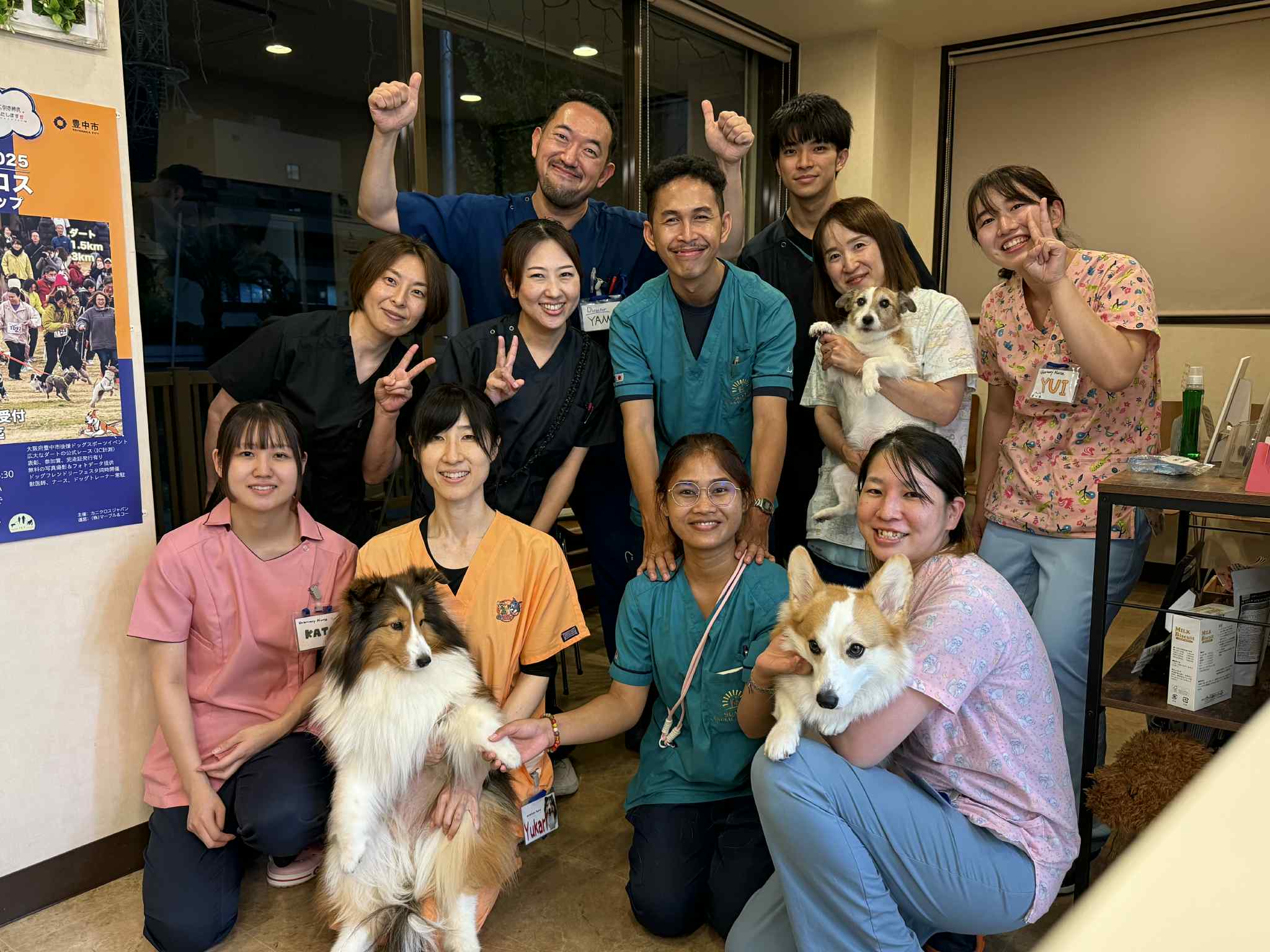 Visit to Dr. Yamamoto’s Noah Animal Hospital
4.Establishing an animal diagnostic center
In this project, alongside the daily clinical activities and human resource training at Sunny Animal Hospital, we worked on establishing Cambodia’s first animal diagnostic center, equipped with a range of equipment for hematological and biochemical tests. Thanks to support from many parties, the center was successfully established in June 2025. The opening ceremony was attended by the Ambassador Extraordinary and Plenipotentiary of Japan to Cambodia, as well as representatives from Cambodia’s Ministry of Agriculture, Forestry and Fisheries.
Today, in addition to the tests required for veterinary care at the clinic, the center also accepts requests for clinical tests from local animal hospitals throughout Cambodia, contributing to improvement of the quality of veterinary care across the country.
Going forward, we aim to serve as a foundation for more advanced veterinary care by providing specialized diagnostic testing and diagnostic services that are beyond the capabilities of individual local veterinary clinics.
We also hope to utilize the accumulated clinical and laboratory data for training and research, creating an environment that can contribute in the future to understanding disease patterns in Cambodia, as well as contributing to the field of public health from a One Health(*) perspective.
(*:One Health is an international approach that sees human, animal, and environmental health as one, and aims to achieve a sustainable society through collaboration between the medical, veterinary and environmental sectors.)By closely linking clinical practice, diagnostics, research, and education, we aim to establish a sustainable foundation for human resource development and veterinary education.
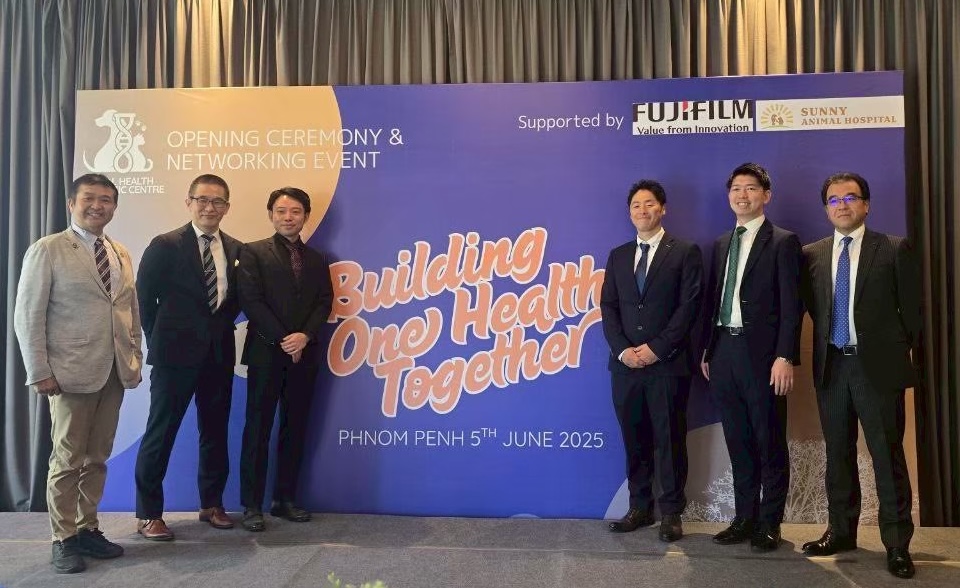
Animal diagnostic center opening ceremony5.Future outlook and goals: Becoming a bridge between Japan and Cambodia through veterinary medicine
Providing veterinary care and educational activities in Cambodia is not without its challenges. We frequently encounter situations far beyond what we imagined, and we struggle when what is considered “normal” in Japan simply does not apply. Nevertheless, by working alongside the local people and sharing the spirit of mutual benefit, we continue to run both the clinic and the project.
Rather than exploitative aid, one-sided impositions, or simply donating expensive equipment, we believe that, ideally, human resource development through international cooperation lies in sharing professional skills and knowledge while working together to nurture talented people. We have no doubt that this steady accumulation of educational activities and human resource development will truly contribute to Cambodia’s growth through veterinary medicine.
Being in Cambodia, we have come to appreciate firsthand just how highly regarded Japanese people are and how strongly their contributions overseas are sought after. For this reason, we remain committed to our core philosophy of “veterinary medicine X international cooperation.” Together with Japanese veterinarians in various fields, pet care nurses, and animal lovers who aspire to contribute overseas, we hope to actively create opportunities for Japanese to play active roles internationally. We can think of nothing more enjoyable and exciting than working together as Team Japan to nurture veterinary talent in Cambodia, advance veterinary medicine, and build a foundation and platform that contributes to international cooperation and friendship between Japan and Cambodia through animals.
Going forward, we aim to create a system in Cambodia in which human resource development can progress independently, with a view to strengthening collaboration with local universities and pursuing initiatives such as the establishment of a teaching hospital. With Sunny Animal Hospital as our base, we also hope to address the wide range of animal-related social issues facing Cambodia as a team of Japanese and Cambodian veterinary professionals.
Tomoki Chimura, Director, Sunny Animal Hospital
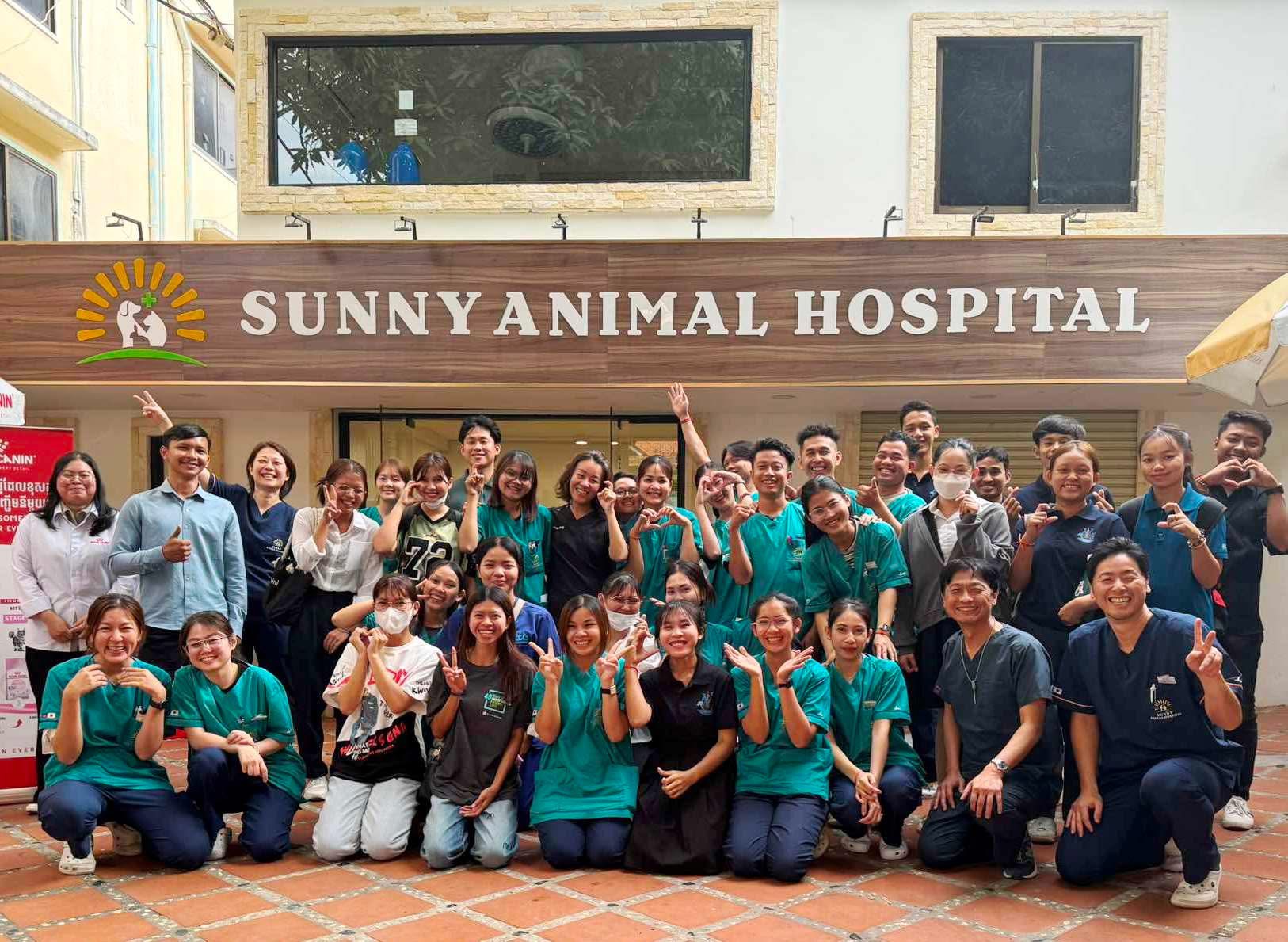
Group photo after the regional veterinary lecture -